
Mexico
Beyond the Beach Resorts
Mexico’s destination perception often gets reduced to Cancún all-inclusives and spring break debauchery, which is tragic because it’s one of the world’s most culturally rich, geographically diverse, and genuinely fascinating countries. Ancient ruins, colonial cities, mountains, jungles, beaches, street food that ruins you for anywhere else, Day of the Dead celebrations, mezcal culture, and 130 million people living actual lives beyond the tourist resorts.
This isn’t about beach clubs and margaritas (though those exist). This is about Mexico proper: the cities, the regions, the food, the complexity, and the bits tourists miss while queuing for boats to Isla Mujeres.
If you’re doing Mexico properly, you need minimum three weeks. Four to six is better. The country’s massive (five times the size of Germany), diverse, and rewards time. This is a framework, not an exhaustive guide—Mexico deserves months, but this hits the essentials.
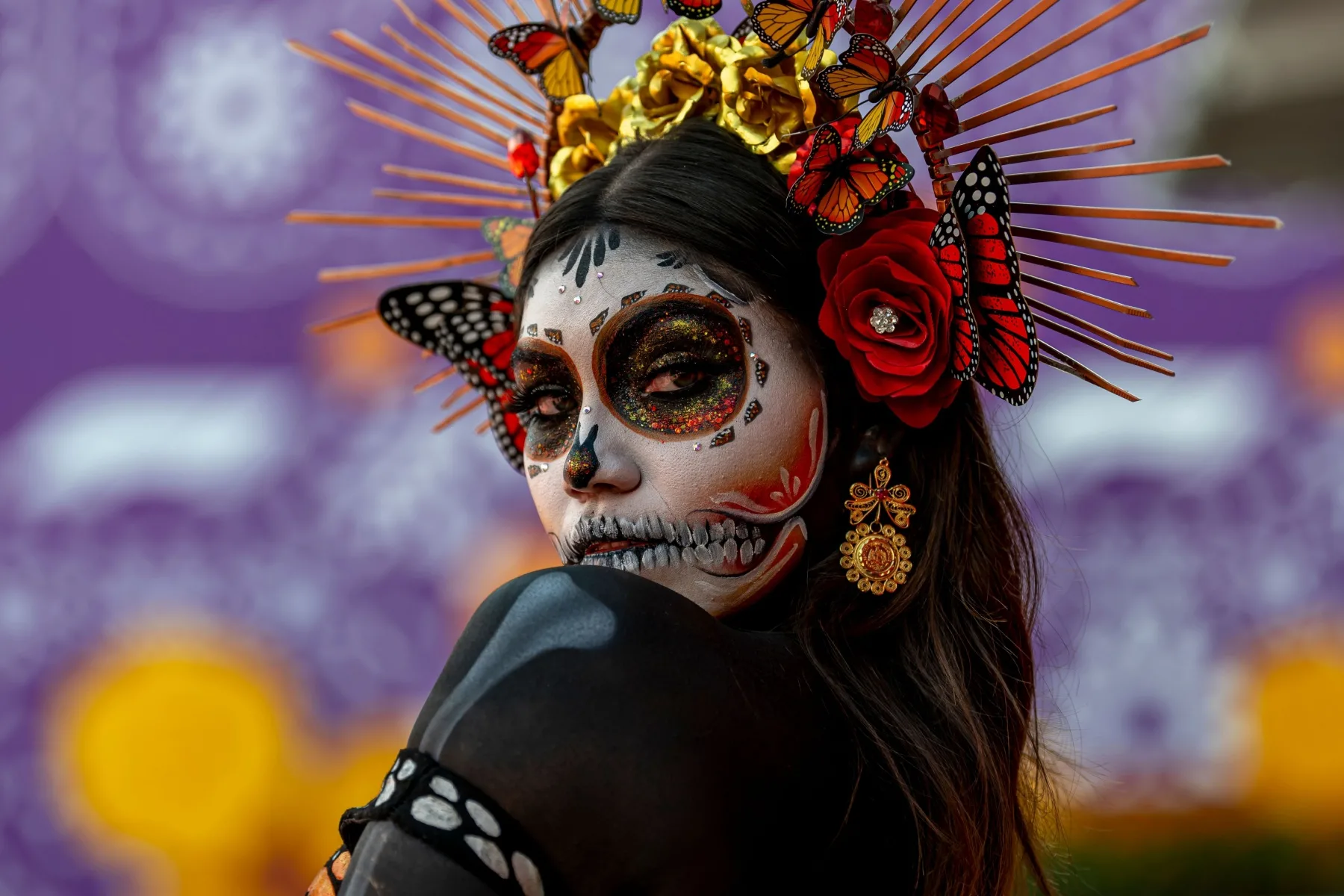
Image Credit: Motorsport Photography F1 / Shutterstock.com

The Regions
Mexico’s not one thing. It’s dozens of distinct cultures:
Central Highlands: Mexico City, Guanajuato, San Miguel de Allende, Querétaro
Colonial architecture, altitude (2,000m+), culture, food, art. For: First-timers, city lovers, culture vultures, food obsessives.
Oaxaca & Chiapas: Oaxaca City, San Cristóbal, Palenque
Indigenous culture, mezcal, mole, crafts, Zapatista territory. For: Authentic Mexico, food and craft lovers, those wanting indigenous perspective.
Yucatán Peninsula: Mérida, Valladolid, Tulum, Playa del Carmen, Cancún
Mayan ruins, cenotes (sinkholes), Caribbean coast, tourist infrastructure. For: Beach lovers who also want culture, first-timers wanting accessible Mexico.
Pacific Coast: Puerto Vallarta, Mazatlán, Zihuatanejo, Oaxaca coast
Beaches, surfing, sleepy towns, less developed than Caribbean side. For: Beach seekers avoiding Caribbean crowds, surfers.
North: Copper Canyon, Baja California
Deserts, canyons, wine country (Baja), less visited. For: Adventurous types, road trippers, those who’ve done the rest.
Gulf Coast: Veracruz, often skipped
Afro-Caribbean influence, port cities, different Mexico. For: People on third visit wanting something different.
Mexico City
Skip this, and you’ve missed the point of Mexico. Massive (9 million in city, 22 million in metro area), chaotic, polluted, brilliant, exhausting, the cultural and food capital.
It’s generally regarded as a safe destination, although crime does exist. Be sensible, avoid shady districts late at night, or stick to the tourist zones if you are unsure.
Stay for Minimum 4-5 nights. Week or more if you want to properly explore.


Where to stay
Roma Norte: Trendy, safe, restaurants and bars, young professionals, tree-lined streets. Most people’s choice.
Condesa: Similar to Roma, slightly more upscale, Art Deco architecture, parks.
Centro Histórico: Historic heart, beautiful buildings, grittier, cheaper. Good if you don’t mind crowds and noise.
Polanco: Wealthy area, museums (Anthropology Museum), expensive, less character.
Avoid: Anywhere far from metro (you’ll waste hours commuting).
Costs
Accommodation: £30-70/night (mid-range). Street food: £2-4 per meal. Restaurant: £8-20 per meal. Metro: £0.20 per journey (absurdly cheap). Museums: £3-5 most, Sundays often free. Expect to spend: £40-80/day.
What to do
Essential: National Museum of Anthropology: World-class, essential for understanding pre-Hispanic Mexico. Half day minimum. Go Sunday (free) or Tuesday (quieter). Teotihuacán: Pyramids, 1 hour from city, massive, climb the Pyramid of the Sun. Half-day trip. Historic Centre: Zócalo, Metropolitan Cathedral, Templo Mayor (Aztec ruins), Palacio de Bellas Artes. Xochimilco: Floating gardens, trajineras (boats), bring food and beer, touristy but fun. Coyoacán: Frida Kahlo’s house (Blue House, book ahead £10), charming neighbourhood, market. Eat everything: Tacos, tortas, tamales, quesadillas. Mexico City’s food scene is world-class.
Worth it: Lucha libre (Mexican wrestling): Touristy but genuinely fun, £8-15. Chapultepec Park: Massive, castle, museums, lake. Roma/Condesa wandering: Just walk, eat, drink, absorb.
Skip: Torre Latinoamericana: Views are fine but Bellas Artes rooftop is free and better. Touristy mariachi in Garibaldi Square (scammy, aggressive).
Food strategy: Tacos al pastor from street carts (£2-3, incredible). Mercado de San Juan for exotic ingredients. Mercado Roma (hipster food hall, good but pricey for Mexico). Contramar for seafood (famous, pricey £30-40pp, worth it once). Any taquería with locals queuing.
Transport: Metro is excellent, cheap (£0.15), extensive. Uber/taxis for late night. Don’t rent a car (traffic’s insane).
Altitude: 2,250m. You’ll be breathless walking upstairs. Give yourself a day to adjust. Drink water, avoid excess alcohol first night.
Safety: Use common sense. Avoid empty streets at night. Don’t flash valuables. Uber over street taxis after dark. Most tourists have zero problems.

Image Credit: Andrea Izzotti / Shutterstock.com


Oaxaca City
Southern Mexico, indigenous culture, mezcal, mole, crafts, art, markets, day of the dead celebrations. If you only go to two Mexican cities, make them CDMX and Oaxaca.
Stay for 4-5 nights minimum. Week if you want day trips and to absorb it properly.
Costs
Similar to CDMX, maybe 20% cheaper. Mezcal: £2-5 per glass. Total: £35-70/day.

What to do
Essential: Monte Albán: Zapotec ruins, stunning hilltop setting, 30 minutes from city. Half day. £5 entry. Markets: Benito Juárez market (daily), Abastos (huge, weekends), Saturday tianguis (street market). Try all seven moles: Oaxaca’s famous for mole (complex sauce). Black mole most famous. Mezcal tastings: Dozens of mezcalerías. In Situ, Mezcaloteca, Los Amantes. Street food: Tlayudas (massive crispy tortilla, £3-5), memelas, tejate (pre-Hispanic drink).
Day trips: Hierve el Agua: Petrified waterfalls, natural infinity pools, stunning. Full day. Tule Tree: Massive ancient tree (2,000+ years old). Quick stop. Mezcal village tours: Visit palenques (mezcal producers), see traditional production. Mitla: Zapotec ruins, geometric patterns, 1 hour from city.
Artisan villages: Teotitlán del Valle (woven textiles). San Bartolo Coyotepec (black pottery). Atzompa, Ocotlán (different market days).
When to go: November for Day of the Dead (Día de los Muertos). Book months ahead. Expensive but incredible.
Is it worth it? Absolutely. Many people prefer Oaxaca to CDMX. More manageable, beautiful, authentic.


Yucatán Peninsula
Different Mexico: Mayan not Aztec, flatter, hotter, more tropical, Caribbean coast, massive tourism infrastructure.
Mérida
The vibe is Colonial capital, hot, safe, cultural, Sunday events, base for Mayan ruins.
Stay for 2-3 nights. Good base for day trips.
Costs: Similar to Oaxaca, cheap.
What to do
Wander the centre (beautiful colonial buildings). Sunday events (free concerts, street closures, markets). Day trips to Uxmal, Chichén Itzá (covered below).


Chichén Itzá
The vibe is Most famous Mayan ruins, massive pyramid (El Castillo), New 7 Wonders, mobbed with tourists.
Cost: £25 entry (expensive for Mexico)
Strategy: Arrive at 8am opening or late afternoon (4pm). Midday = thousands of tour groups. 2-3 hours sufficient.
Is it worth it? Yes, once. It’s impressive. But Uxmal and others are less crowded and equally interesting.
Uxmal
The ruins: Puuc architecture, Pyramid of the Magician, less touristy than Chichén Itzá, arguably more beautiful.
Is it worth it? Absolutely. Better than Chichén Itzá for many people.

Valladolid
The vibe is Small colonial town between Mérida and Cancún, cenotes nearby, authentic, pleasant.
Stay for 1-2 nights. Good base for cenotes.
Cenotes: Natural sinkholes, swimming in crystal-clear water, stunning. Dozens around Valladolid. Entry £3-8 each.
Best ones: Cenote Ik Kil (near Chichén Itzá, beautiful, touristy). Cenote Suytun (famous photo spot with light beam). Cenote Zaci (in Valladolid town, easy, cheap).


Tulum
The vibe is (or should I say Was): Bohemian beach town. Now: Expensive wellness retreat for influencers. Ruins on clifftop overlooking Caribbean.
The reality: Tulum’s overdeveloped, overpriced, over-Instagrammed. Beach clubs charge £30-50 day beds. Yoga retreat energy. Traffic’s terrible. It’s beautiful but exhausting and expensive.
Is it worth it? Ruins: Yes (£6 entry, stunning setting, go at 8am). Town: Only if you’re into wellness retreats and have money.
Alternative: Playa del Carmen (cheaper, more functional) or Bacalar (lagoon of seven colours, much quieter).
Cancún
Skip unless you specifically want all-inclusive resorts. It’s not Mexico, it’s a beach resort that happens to be in Mexico.
Only worth it for: Flights in/out (international airport). Last-night convenience before flight.


San Miguel de Allende & Guanajuato
Central highlands, colonial architecture, art towns, expat communities.
San Miguel de Allende
The vibe is Beautiful colonial town, expat central (lots of Americans retiring here), arts scene, expensive by Mexico standards, gorgeous but feels less Mexican than other places.
Is it worth it? If you like colonial architecture and don’t mind expat energy. 2 nights maximum.
Guanajuato
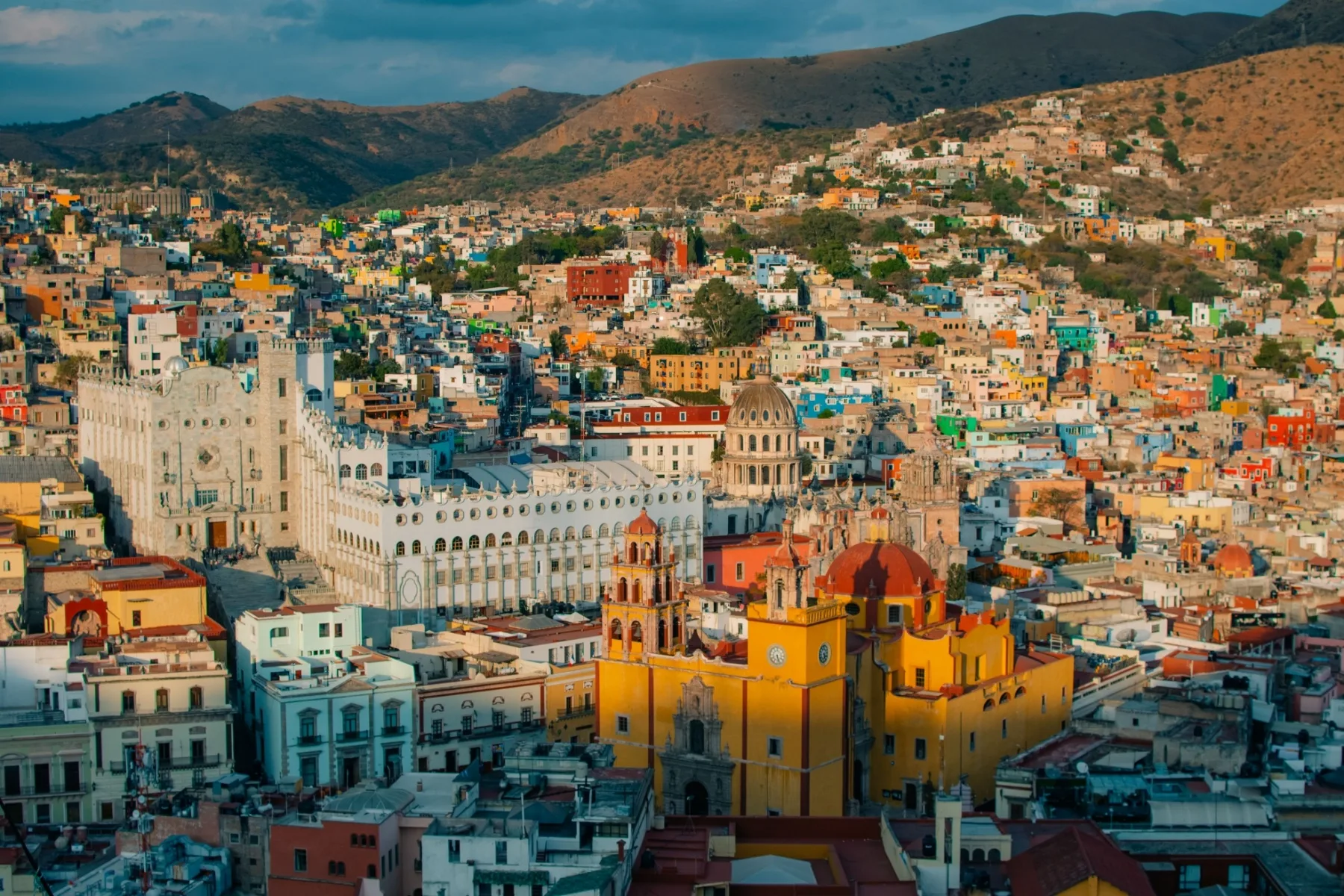
The vibe is Colourful hillside city, winding alleys, underground tunnels, university town, less expat than San Miguel, more authentic.
Is it worth it? Yes. 2-3 nights. Better than San Miguel for many people.

Pacific Coast
Less developed, more Mexican, better surfing, fewer tourists.
Puerto Vallarta
Tourist town but more Mexican than Cancún. Good beach base, LGBT-friendly, cruise ship port.
Mazatlán
Proper Mexican beach city. Locals vacation here. Historic centre, malecon (promenade), cheaper than Puerto Vallarta.


Image Credit: Kirk Fisher / Shutterstock.com

Zipolite Beach
Oaxaca Coast
Puerto Escondido (surfer town, good vibes), Zipolite (hippie nude beach), Mazunte (yoga, turtles).
Is it worth it?
If you want Pacific coast and beaches, yes. Less crowded than Caribbean side.
Chiapas
Southern Mexico, Maya heartland, Zapatista territory, indigenous culture, mountains, jungles.

San Cristóbal de las Casas
The vibe is Highland town, indigenous markets, cool climate (2,200m), cobblestoned, beautiful, backpacker trail but mellow.
Stay for 3-4 nights.
Day trips:
Indigenous villages (Chamula, Zinacantán). Sumidero Canyon (boat trip through dramatic canyon).

Palenque
The ruins: Jungle setting, Mayan ruins, stunning, less touristy than Yucatán ruins.
Is it worth it? Absolutely. Many rate it higher than Chichén Itzá. More atmospheric.
Stay for 1-2 nights, long travel from San Cristóbal (5 hours) but worth it.

Practical Mexico
Visa: UK, EU, US, Canada: 180 days visa-free (tourist card on arrival).
Currency: Mexican Peso (MXN). £1 = 23-25 pesos (roughly). US dollars accepted in tourist areas (poor exchange rate). Use ATMs for cash (widely available).
Language: Spanish essential outside tourist areas. Learn basics: gracias, por favor, cuánto cuesta, dónde está. Translation apps help. Tourist areas more English speaking, but it’s limited.
Transport: Buses: ADO main company, excellent, cheap, comfortable. Book online or at station. Flights: Cheap domestically (£30-80), Volaris and VivaAerobus budget airlines. Uber: Works in major cities, cheaper and safer than taxis. Colectivos: Shared vans, local transport, cheap, frequent.
Safety: Mexico has issues but tourists are rarely targeted. Use common sense:
Food Safety: Street food is fine where locals eat. Avoid unpeeled fruit/veg from street. Don’t drink tap water (buy bottled). Ice is usually fine in established places. Most people get brief stomach issues (normal, pack Imodium).
Avoid sketchy areas at night. Don’t flash wealth. Use Uber over street taxis. Certain states have travel warnings (Sinaloa, Michoacán, Guerrero outside resorts). Tourist areas (CDMX, Oaxaca, Yucatán) are generally very safe.
When to Go: Best: November-April (dry season, cooler). Hot: May-June (35°C+). Rainy: July-October (afternoon storms, humid, but still okay). Día de los Muertos: Early November (book way ahead). Christmas/Easter: Expensive, crowded.
Budget: Backpacker: £25-40/day (hostels, street food, buses). Mid-range: £50-80/day (private rooms, mix of food, some flights). Comfortable: £100-150/day (nice hotels, restaurants, tours).

What’s Overrated
Cancún/Playa del Carmen resorts: Not Mexico, just international beach resort.
Tulum now: Overpriced, overcrowded, over-Instagrammed. Go 10 years ago or skip.
Chichén Itzá: Still worth seeing but packed with tourists. Other ruins are better.
What’s Underrated
Mexico City entirely: Many skip it. Criminal mistake.
Oaxaca state: Beyond the city. Villages, coasts, mountains.
Pacific coast: Everyone goes Caribbean. Pacific’s better for many people.
Taking your time: Everyone rushes. Stay places longer.
Food: Better than you imagine. World-class street food, regional cuisines, complexity.
Sample Itinerary (3-4 Weeks)
Week 1: Mexico City (5 nights). Teotihuacán day trip. Guanajuato (2 nights).
Week 2: Oaxaca City (4 nights). Monte Albán, Hierve el Agua, mezcal tours.
Week 3: San Cristóbal de las Casas (3 nights). Palenque (2 nights). Mérida (2 nights).
Week 4: Valladolid (2 nights, cenotes). Tulum (ruins, 1 night). Playa del Carmen or beach (3 nights). Fly home from Cancún.
Or skip Yucatán entirely and go:
Pacific coast (Puerto Escondido, Mazunte, Zipolite). More time in Oaxaca state. Puebla, Querétaro, more colonial cities.

The Reality
Mexico’s massive, complex and often misunderstood. It’s not all about spring break parties or cartel violence (though both exist). It’s 130 million people living diverse lives across a huge, geographically varied country with ancient civilizations, colonial history, indigenous cultures, and modern cities.
You need time. Three weeks minimum. Four to six weeks better. The temptation is to rush through CDMX, Oaxaca, Tulum, done. But Mexico rewards staying longer, going deeper, eating properly, learning Spanish, talking to people.
It’s also remarkably good value. £50-70/day gets you nice accommodation, brilliant food, decent transport. The food alone justifies the trip. Nowhere else matches Mexico’s street food quality and variety.
Go beyond the resorts. Skip Cancún. Do Mexico City. Eat everything. Learn basic Spanish. Take buses not just flights. Stay in locally-owned places. Talk to people. Drink mezcal. Respect Day of the Dead (it’s not Halloween). Understand you’re walking on 3,000 years of continuous civilization.
That’s Mexico. Not easy, not always comfortable, but absolutely worth the effort.