
Alternative Group Travel
Beyond the Tour Bus
Group travel doesn’t have to mean following a flag-wielding guide through crowded tourist sites while someone counts heads every five minutes. There’s an entire world of group experiences that look nothing like traditional tours—sailing crews, working farms, multi-day hikes, creative retreats, conservation projects. The kind of travel where you’re actually doing something rather than just being shuttled around looking at things.
This is group travel for people who want the structure and social element without the coach tour energy. You’re working toward something, learning a skill, contributing to a project, or sharing an adventure that requires actual participation. The groups self-select for the activity, which means you’re travelling with people who share at least one interest with you, and that shared purpose changes the entire dynamic.
It’s not always easier than traditional tours. Sometimes it’s harder. But it’s almost always more interesting.

Sailing Trips
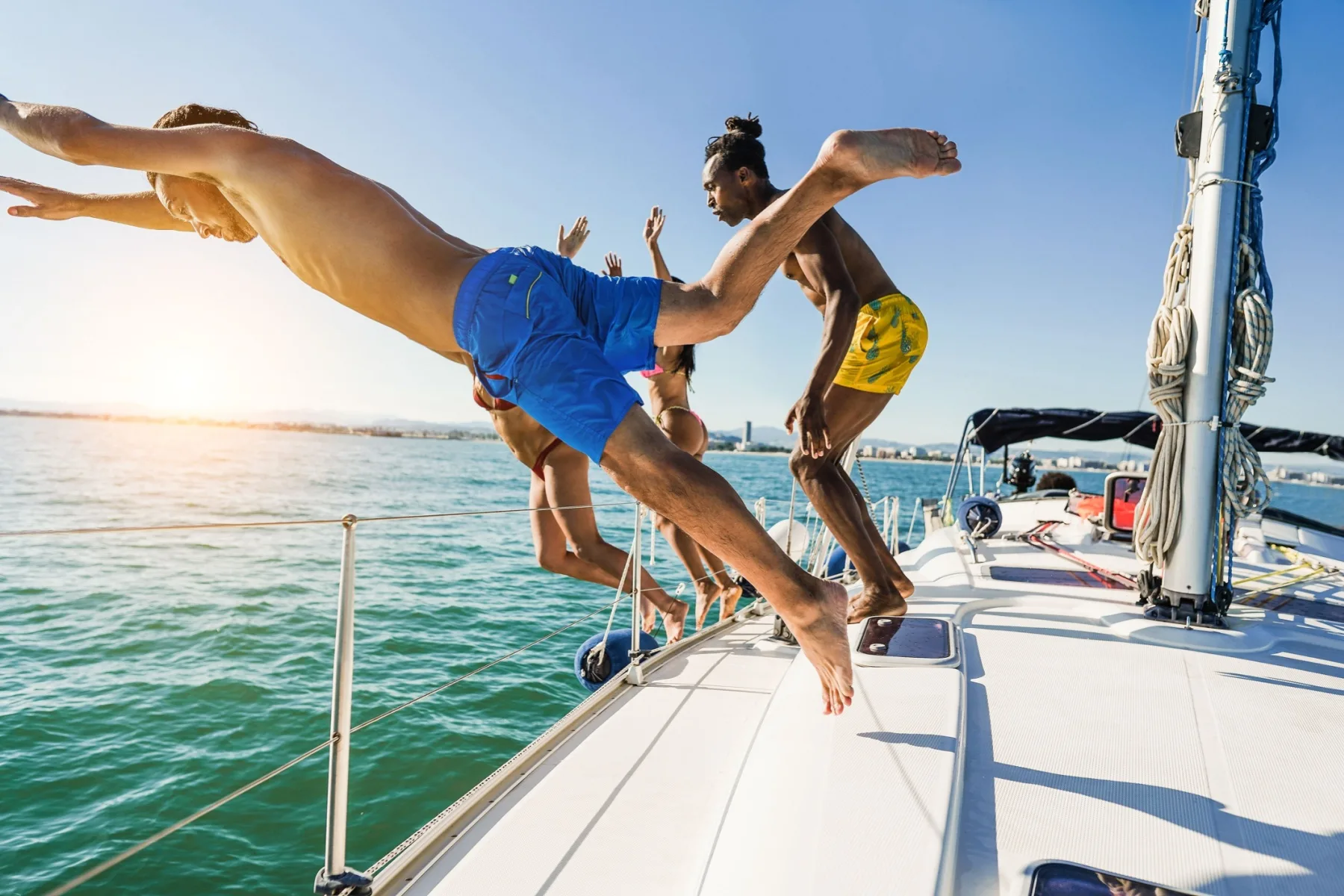
Small boat charters are typically 6-12 people sharing a yacht for a week or two. You’re crew, not passengers. Everyone takes turns cooking, helping with sails, doing anchor watch, and keeping the boat running. Days are spent sailing between islands or along coastlines. Evenings are spent anchored in quiet bays, swimming off the boat, cooking together, and inevitably drinking on deck.
Where it works:
Greece: Cyclades, Ionian Islands. Week-long charters, warm water, reliable winds, stunning anchorages. Croatia: Dalmatian coast. Island-hopping from Split or Dubrovnik, clear water, medieval towns. Caribbean: BVI, Grenadines. Trade wind sailing, easy conditions, perfect for beginners. Turkey: Turkish coast or Greek islands from Bodrum/Marmaris. Quieter than Greece, beautiful. Scotland/Norway: For the committed. Cold, challenging, dramatic. Not beginner territory.
The reality:
You don’t need sailing experience for most charters—there’s usually a skipper who actually knows what they’re doing. But you will be expected to help. Pulling lines, raising sails, helping dock, taking turns at the helm. It’s not a cruise where you just sit there.
Living on a boat means confined space. One or two heads (toilets) for 8-10 people. Limited water for showers. Bunks, not bedrooms. If you need personal space or have bathroom privacy issues, this might not be your thing.
Weather matters. Wind dies, you motor. Wind picks up too much, you’re heeled over and everything’s sliding around. Seas get rough, people get seasick. Plans change. Flexibility is non-negotiable.
But when it works—and it usually does—it’s brilliant. You’re swimming in empty coves, sailing into sunset, cooking fresh fish from local markets, and spending proper time with the same small group rather than making small talk with 30 people on a bus.
Cost: £700-1,500 per person per week depending on season, location, and boat quality. Food’s extra (group kitty, usually £100-150 for the week).
Age range: Typically 30s-60s. Sailing attracts people who want active travel without extreme sports. Mix of couples and solo travellers.
Multi-Day Hiking
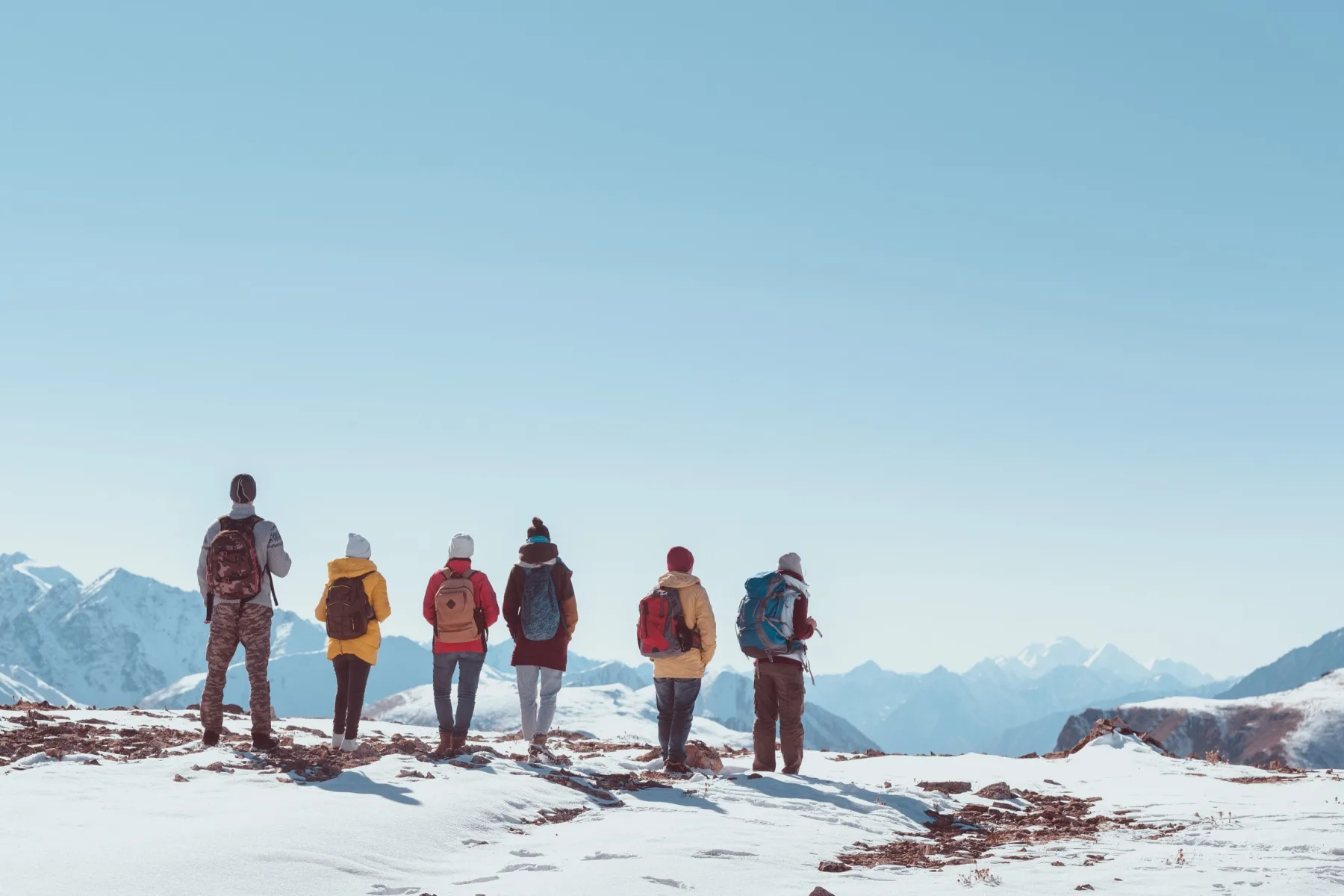
Group hikes that take days or weeks. You walk, you camp or stay in mountain huts, you do it again the next day. The group’s there because everyone’s doing the same thing at the same pace, which creates instant camaraderie without forced socializing.
Classic routes:
Camino de Santiago: Northern Spain. Weeks-long pilgrimage. You can join organised groups or just start walking and naturally form groups with people at your pace. Mix of spiritual, athletic, and “I needed to get away” types. Age range: 20s-70s, literally everyone does this.
Tour du Mont Blanc: Alps circuit through France, Italy, Switzerland. 10-12 days, mountain huts, spectacular scenery. Requires fitness. You can do it self-guided (book huts yourself, walk with whoever you meet) or with organised groups. Age range: 30s-60s, skews younger.
Inca Trail: Peru. 4 days to Machu Picchu. Has to be done with licenced operators. Porters carry gear, you carry daypacks. Altitude’s the challenge. Age range: 20s-50s.
Kungsleden (King’s Trail): Swedish Lapland. Remote, beautiful, well-marked. Mountain huts or camping. Fewer people, more solitude. For people who want hiking without crowds. Age range: 30s-60s.
GR20: Corsica. Notoriously tough. 15 days of serious mountain hiking. Only for experienced hikers. Age range: 30s-50s, very fit.
The reality:
You’re walking 15-25km per day with a pack. Your knees will hurt. Your feet will blister. You’ll be tired every day. But you’re also in mountains or countryside, sleeping in interesting places, and achieving something tangible.
Groups on multi-day hikes form naturally. You start alone or with friends, but you keep running into the same people at rest stops and accommodation. By day three, you’re hiking together. By day seven, you’re eating meals together and swapping blister management strategies. It’s organic rather than forced.
Physical fitness matters. Don’t join a group hike if you’re not prepared. Practice walks with your pack before you go. Get proper boots. Break them in. This isn’t Instagram hiking—it’s actual endurance activity.
Cost: Self-guided Camino can be done for £30-40 per day (albergues, cheap meals). Tour du Mont Blanc huts: £50-80 per night with meals. Organised groups: £1,000-2,500 depending on support level and accommodation quality.
Age range: Varies by route. Camino’s multigenerational. Alpine routes tend to attract 30s-60s. Tough routes (GR20, Torres del Paine) younger and fitter.


Working Farms and Conservation Projects
You work, you stay for free or cheap, you meet other people doing the same thing. It’s not a holiday in the relaxing sense, but it’s group travel with purpose, and that shared work creates bonds faster than tourist activities.
WWOOFing (World Wide Opportunities on Organic Farms):
You work on organic farms in exchange for accommodation and meals. Usually 4-6 hours of work per day, gardening, harvesting, animal care, general farm tasks. Free time in afternoons/evenings.
The farms range from smallholdings with one family to larger operations with multiple WWOOFers. Sometimes you’re the only one, sometimes there are 5-6 others. The work’s physical but not usually skilled. The hosts vary wildly, some treat you like family, others treat you like free labour. Reviews and research matter.
Where: Everywhere. WWOOF operates in 60+ countries. Popular: New Zealand, Australia, France, Italy, Japan.
Age range: Mostly 20s-30s but older travellers welcome. Some farms specifically prefer mature workers.
Cost: WWOOF membership (£20-40 per country). No payment for work, but no cost for accommodation/food either.
Conservation volunteering:
Wildlife projects, marine conservation, forest restoration, trail building. You pay to volunteer (controversial but that’s how it works), but you’re doing meaningful work rather than questionable “voluntourism.”
Legitimate projects:
GVI (Global Vision International): Marine conservation, wildlife monitoring, teaching. Vetted projects, though expensive. Biosphere Expeditions: Citizen science projects. Actual research, you’re collecting data. Age range: 30s-70s. Earthwatch: Similar to Biosphere. Research-focused, older demographic. African Impact: Wildlife conservation. Mix of ages, long-term and short-term options.
Questionable territory:
Anything involving orphanages (often unethical), “teaching” when you’re not qualified, short-term builds that locals could do better. If you’re paying thousands to volunteer for two weeks, ask hard questions about where the money goes.
The reality:
Real conservation work is hot, sweaty, repetitive, and sometimes boring. Tracking animals means hours of data collection. Marine surveys mean being in water for hours. Trail building is physical labour. You’re not cuddling baby elephants—you’re doing actual work.
But you meet committed people, learn skills, contribute to something real, and see places tourists don’t access. The group dynamic’s different because everyone’s there to work, not to be entertained.
Cost: £500-3,000 depending on project length, location, and organization. Includes accommodation, meals, training.
Age range: Varies wildly. GVI skews younger (20s-30s). Biosphere and Earthwatch skew older (40s-70s).
Creative Retreats
Writing, photography, painting, cooking, pottery—week-long intensives where you’re learning and creating with a small group. Not woo-woo wellness retreats (though those exist), but skill-focused workshops with actual instruction.
Types:
Writing retreats: Workshops, critique sessions, writing time, often in beautiful locations. Mix of beginners and serious writers. Age range: typically 30s-60s.
Arvon Foundation (UK) – week-long courses, published tutors. Faber Academy – writing courses, industry-focused. International locations (Italy, Greece, France) – often combine writing with location.
Photography workshops: Field work, critique, technique instruction. For people serious about improving, not just tourist snapshots.
Workshops with specific photographers (research their style). National Geographic trips (expensive but professional). Regional workshops (Scottish Highlands, Iceland, etc.).
Cooking schools: Week-long immersion. You cook, you eat, you learn techniques. Often in food-focused regions.
Italy (Tuscany, Bologna) – pasta, regional cuisines. Thailand – home cooking, market tours. France (Provence) – classic French technique. Mexico (Oaxaca) – regional cuisine, markets.
Art workshops: Painting, drawing, printmaking. Usually in inspiring locations with professional artist instruction.
Painting holidays in France, Spain, Italy. Printmaking workshops. Pottery intensives.
The reality:
These aren’t beginner “try everything” experiences. They’re for people genuinely interested in improving at the skill. You’ll have homework. Critique can be intense. But you leave with actual improvement and often friendships based on shared creative interests.
Groups are small (8-15 people). Age ranges older (30s-70s). Everyone’s there for the skill, which means conversation goes beyond “where are you from?”
Cost: £800-2,500 for a week including accommodation, meals, and instruction. Location and instructor reputation affect price.
Age range: Generally 35+, with many people 50+. Creative pursuits attract mature travellers.


Overlanding
Big trucks trundling across vast regions like Africa, Asia, India, Iceland. These are weeks or months of group travel in a purpose-built vehicles with the same 15-25 people.
It’s camping most nights. You take turns cooking, setting up camp, and general duties. Days are long drives punctuated by activities—national parks, cultural sites, random adventures. It’s low-budget travel but with logistics handled and a ready-made social group.
Major routes:
Africa: Cape Town to Nairobi (classic), West Africa routes, trans-Africa. Americas: Quito to La Paz, Cartagena to Lima, full continent routes. Asia: Silk Road (Istanbul to Central Asia), India-Nepal-Tibet.
The reality:
You’re living rough. Camping in truck-side tents, using basic facilities, eating group-cooked meals. It’s not comfortable. Dust, heat, long days, breakdowns, border delays. People get sick. Personalities clash after weeks together. Romance happens (and complicates things). It’s intense.
But you see places tour groups don’t reach, do things organised tours can’t manage, and form deep bonds through shared challenges. Overlanding attracts a specific type—adventurous, flexible, okay with discomfort, genuinely interested in the places rather than just ticking them off.
Age range: Mostly 20s-40s, skewing younger for long trips. Fitness isn’t required but adaptability is essential.
Cost: £50-150 per day including vehicle, camping, food kitty, sometimes activities. Long trips (months) work out cheaper per day.
IMPORTANT: Overlanding companies are notorious for “local payment” fees. You see £2,000 for a month-long trip and think it’s cheap, then discover there’s a £800 local payment due on arrival, plus ongoing food kitty (£10-15/day), plus park entry fees, plus visa costs, plus optional activities that aren’t really optional. Total cost can be 50-70% higher than advertised. Always ask for the total all-in cost before booking. Legitimate operators will tell you upfront. Dodgy ones bury it in terms and conditions.
Commitment: Minimum 3-4 weeks for most routes. Some are 3-4 months. Not casual weekend travel.

Sailing Regattas and Races
Different from cruising charters. You’re racing, which means everyone works and the pace is intense. ARC (Atlantic Rally for Cruisers), Fastnet Race, Sydney-Hobart if you’re masochistic. You can crew on racing yachts through crew agencies.
Not for beginners. You need some sailing experience. But if you want serious sailing rather than gentle cruising, this is it.
Age range: Varies, but often 40s-60s for distance races. Younger for inshore racing.


Adventure Racing and Multi-Sport Events
Multi-day events where teams compete together. Kayaking, mountain biking, orienteering, trail running. Raid World Championships, God Zone, Marathon des Sables if you’re genuinely fit.
You’re either joining an existing team or forming one. Shared suffering creates bonds. Age range: 30s-50s, very fit.
Language Immersion Programs
Group language courses (usually 1-4 weeks) in the country where it’s spoken. Classes in the morning, activities afternoon/evening, accommodation with local families or in language school residences.
Not a tour, but structured group travel with a purpose. You meet other students, explore the city together, practice language together. Age range depends on school—look for “adult programs” rather than gap year student programs.
Popular: Spanish in Spain/Latin America, French in France, Italian in Italy, Portuguese in Portugal/Brazil.


When Alternative Group Travel Works
You should try this if:
Traditional tours feel infantilizing. You want to actually do something, not just see things. You have a specific interest or skill to develop. You’re comfortable with some discomfort. You want to meet people through shared activity. You travel better with purpose.
This isn’t for you if:
You want comfort and convenience. You need everything organised for you. You’re not willing to work/participate actively. You want to be a passenger, not a participant. You need guaranteed quality accommodation. Physical activity isn’t your thing.
Finding Trips
Research platforms: Workaway, HelpX (working farms/projects). WWOOF (organic farms specifically). Crew Seekers, Find a Crew (sailing). Course directories for creative retreats. Overland operator websites directly. Conservation organization websites.
Questions to ask: What’s the actual age range? (Not advertised, actual). How physical is it really?. What happens if I can’t keep up?. What’s the TOTAL cost including all local payments, kitties, and “optional” activities? Make them itemize everything. If they’re cagey about this, walk away. Can I leave early if it’s not working?. What are sleeping arrangements like?. Solo traveller policies/experiences?. Are tips expected and if so, how much?.
Red flags: Vague about what you’ll actually be doing. No reviews from past participants. Unusually cheap (where’s the money going?). Promises that sound too good. No clear leadership or organization structure. Hidden “local payment” or “kitty” fees – This is a huge one. Legitimate operators are upfront about all costs. Dodgy ones bury them in fine print or don’t mention them until you’re committed.


The Reality
Alternative group travel is harder than traditional tours. You’re working, or hiking, or sailing, or creating. You’re often uncomfortable. The accommodation might be basic. Weather affects everything. Plans change. You can’t just opt out when you’re tired (or hungover).
But it’s also more rewarding. You leave with skills, stories, and friendships formed through shared experience rather than shared tourism. You’ve contributed something, achieved something, or learned something tangible. And the people you meet are there for the same reasons you are, which makes for better company than a random tour group united only by having booked the same itinerary.
It’s not for everyone. But for people tired of passive tourism, it’s often exactly what they’ve been looking for without knowing it existed.