
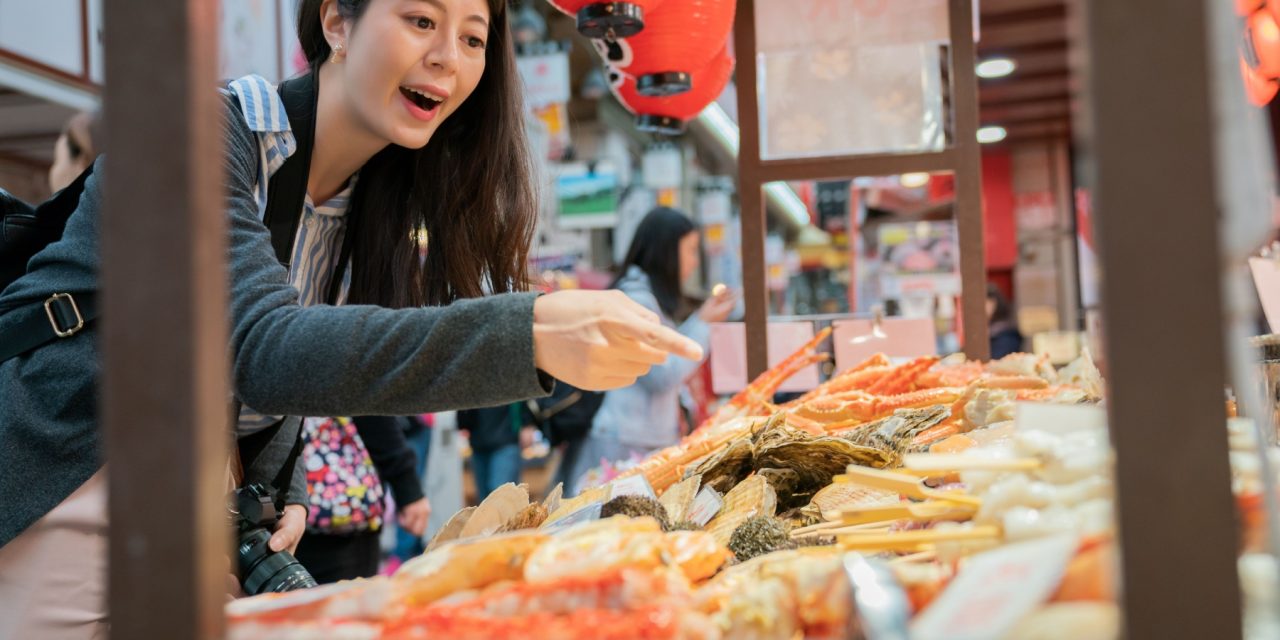
Travelling is a fantastic way to broaden the mind, and one of the things that many love most about travelling is the opportunity to learn about and enjoy new foods. However, if you’re not exactly sure what you’re looking at, how to prepare it, where it’s from, and so on, food shopping in unfamiliar cities can leave you with some unwanted surprises. To avoid food poisoning and make sure that you’re always getting the best out of your culinary explorations, here are some things to watch out for when food shopping in unfamiliar cities:
Quality and Safety Precautions
Keep an eye out for safety announcements and food recalls. Depending on where you are in the world, government agencies and brands themselves will generally make efforts to recall any products with contamination issues and post information about what’s going on on their websites. You can also usually find the company’s track record with food safety online. For example, you can find onion kit recall information here from Taylor Farms. If something looks interesting in the grocery store but you’re not sure about it, take a pic with Google Lens and see what comes up.
Understanding Local Food Culture
When you shop for food in a new place, you integrate yourself into the culture. However, it’s worth noting that – even if it’s perfectly safe – some food might not agree with your stomach or your taste buds simply because you’re not used to it. To avoid any unpleasant surprises, research the city’s food culture before you travel. Investigate what raw ingredients are common and what cooking methods they employ.
Additionally, locals can provide a wealth of information about regional food culture. They can guide you to great markets where fresh produce is available and inform you about any local delicacies not to miss. Similarly, understanding local food vocabulary will reduce the risk of buying an unexpected item.
Evaluating Pricing and Ethics
New cities mean new economic patterns. Food prices can vary significantly from location to location due to factors such as taxation, import-export dynamics, and supply and demand. Be prepared to investigate the average cost of essential items to avoid overspending.
While shopping, it’s also important to consider the ethics of your purchases. Buying locally sourced and produced items can support local economies and encourage sustainability.
Navigating Street Food Vendors
Street food is often one of the best and most authentic ways to get a taste of the place you’re visiting. However, hygiene and preparation methods can vary widely, and in some places street food is relatively unregulated. As such, it pays to be cautious when shopping from street food vendors.
Use your senses to assess the food’s condition. If it looks, smells, or feels off, it might not be safe to eat. You should also look out for whether the vendors use clean cutlery and wash their hands regularly. It’s safer to opt for foods that are cooked or reheated right in front of you to ensure freshness.
In Conclusion
Food shopping in unfamiliar cities is enticing, from exploring new flavours to understanding cultural nuances. However, remaining vigilant about the quality and safety of the food you purchase is paramount. Stay armed with knowledge, learn from locals, respect culinary differences, and be an ethical consumer, and food shopping in unfamiliar cities can become an exciting and enjoyable part of your travel experience.