Redesigning your house can feel like a big task, but it’s also a chance to show your style and make the most of your space. Whether you want to update your decor, improve functionality, or bring fresh energy to your home, this process lets you reflect your personality in every corner. From small updates to major changes, a thoughtful redesign can turn your living space into a place you love even more.
Although it might seem overwhelming, starting your home redesign can be enjoyable and rewarding. Begin by imagining the changes you want. Think about how each room could work better for you. Ask yourself practical questions: Do you need more storage? Is your space set up for entertaining? How can you make your home feel cozier and more inviting?
Let’s look at how to redesign your house effectively.
Assess Your Current Space
Before making any design choices, take a close look at your existing space. Walk through each room and note what works and what doesn’t. Consider your lifestyle: Do you have kids or pets? Do you work from home? These factors will affect your design. Understand how you currently use your space to guide your redesign.
Make a list of items you cherish and want to keep. This list will help shape your design decisions and show how to incorporate these favourite pieces into the new look. Don’t rush through this step; take your time to ensure your redesign meets your needs and feels right.
Choose Colours and Themes
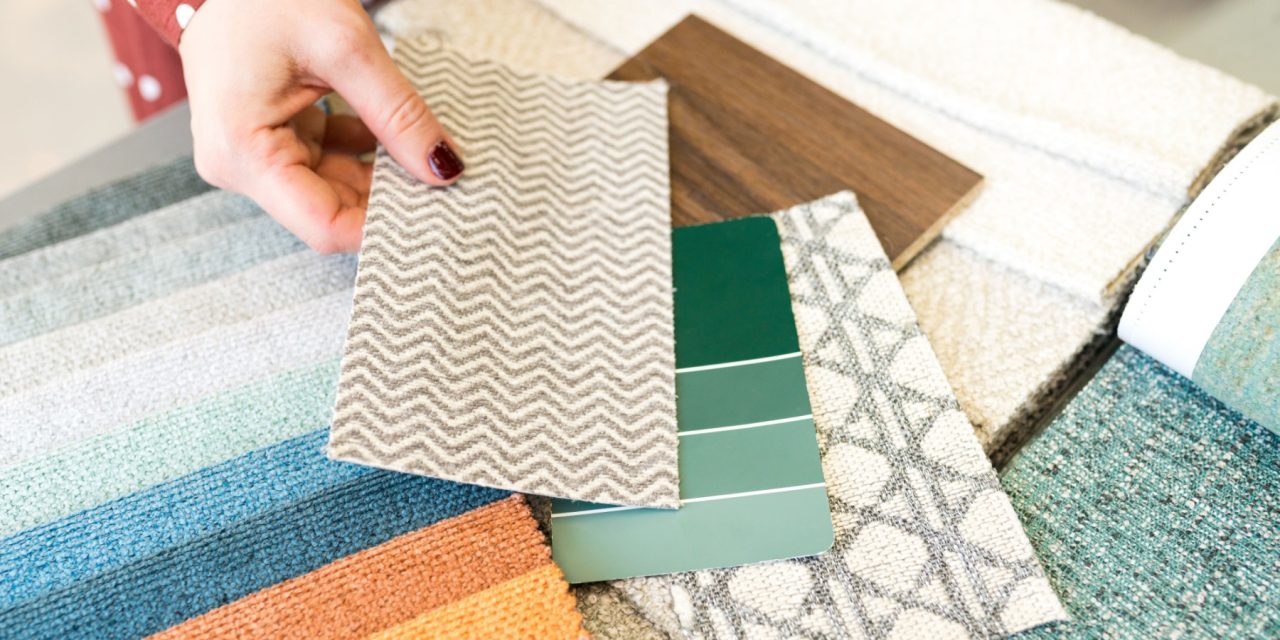
Colour sets the mood in your home, so think carefully about which shades suit your style. Warmer colours can create a welcoming feel, while cooler tones can bring a sense of calm. Try using sample swatches or virtual colour tools to experiment with different palettes. A good colour scheme connects different areas and represents your home’s essence.
Picking a theme helps create a consistent look throughout your redesign. Whether you prefer whimsical, modern, minimalistic, or classic styles, choose elements that reflect your vision. Themes make it easier to choose decor and furniture, creating a cohesive space that shows who you are.
Plan Your Layout
After deciding on colours and themes, focus on how to arrange your space. Each room should serve a purpose and be easy to use. Think about furniture placement. Does it encourage conversation or flow? Is there enough storage to keep your space organized?
Create different areas within a room to boost functionality. For example, set up a reading nook in the living room or carve out a home office corner away from relaxation spots. This planning will help you maximize your space and create an inviting area tailored to your lifestyle.
Use Online Renovation Tools
In today’s digital world, online tools Canada can help you with your redesign. These tools offer features like 3D modelling and interactive design boards to streamline your planning. They help you visualize your ideas, ensuring the final result matches your vision before you start making changes.
Many of these platforms offer a wide range of design options, taking the guesswork out of choosing colours, patterns, and layouts. They allow you to explore possibilities and get creative, helping you navigate your redesign with confidence.
Find Storage Solutions
Good storage is essential in any home redesign. An organized home looks better and makes everyday life easier. Smart storage options include built-in shelves, multifunctional furniture, or vertical closet systems.
Consider the Milwaukee Packout. This system helps you manage tools and household items easily. It’s modular, so you can transport and adapt it to different storage needs around your home. Its strong design keeps everything, from tools to seasonal decorations, organized and easy to reach.
Decorative Touches
After you’ve organized the big items, it’s time for the fun part, adding decorations that make your house feel like home. This means choosing artwork, textiles, and accent pieces that you love. Don’t hesitate to mix textures and patterns for visual interest and personal style.
Add plants for a touch of nature or use statement pieces that catch the eye and spark conversation. Your decor should reflect who you are and your experiences.
Follow-Up and Adjustments
Once the redesign is finished, spend some time living in your new space. This helps you see how well it works for you. Be open to making changes. What looks good on paper may not always feel right in reality.
Ask friends or family for feedback. They might notice ways to improve that you missed. Trust the process and be flexible with changes, allowing your home to adapt to your needs over time.
Redesigning your home is an opportunity to refresh your living space. Each decision can change how you feel about your home and enhance your daily life. So get started and let your creativity show!