
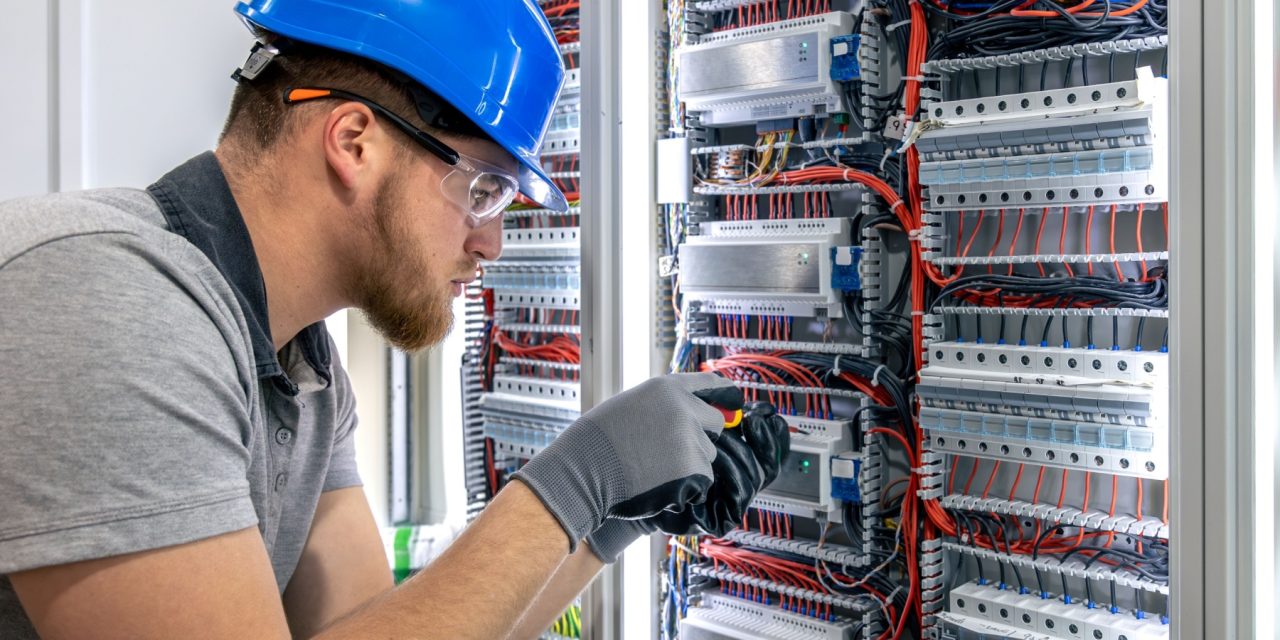
It’s 2026, and energy efficiency – like it or not – is a serious topic of conversation for industries both in the US and abroad. Though sustainability has become something of a partisan issue in political circles, the science is anything but partisan; climate emergencies don’t discriminate based on ideological beliefs, and neither do global energy shortages.
Put simply, it is incumbent on businesses to consider energy and energy efficiency going forward. Geopolitical instabilities, climate-based concerns and operational costs all combine to make energy a foundational pillar for affordability – for make-or-break finances in an already-difficult year defined by tariffs. Here, we’ll explore the various ways in which businesses can approach energy efficiency – from first principles to complex infrastructural planning.
Why Physical Power Management Still Matters In 2026
It is easy to conceive of energy as an ineffable thing, that flows into businesses and enables critical infrastructure to operate. But energy is physics, and, true to the world, requires physical infrastructure itself. Acknowledging this is a first principle is useful to understanding the place of physical power management systems in any business’ energy dealings.
For instance, treating energy as something you interact with as opposed to something you receive can fundamentally alter your approach to managing it. Physical controls like disconnect switches and relay routers, coupled with contemporary systems, make for a reliable power system with failsafe operation, ease of maintenance and, ultimately, more control full-stop.
The Link Between Physical Controls And Compliance
Physical controls over localized power management systems are essential for a variety of reasons, not in the least of which is that of compliance with U.S. safety regulations. OSHA does not exist purely to generate paperwork, but instead to form comprehensive frameworks for the safety of workers and the repeatable safety of business infrastructures. Physical controls themselves are governed by regulations and standards – but so too are the various procedures that govern their use.
Energy Savings Through Smarter Infrastructure Planning
Energy efficiency is a tangential consideration to this conversation, really – but it is one that can be engaged with fully after attaining a comprehensive understanding of these fundamental underpinnings. Physical power hardware opens the door to broader efficiency strategies, by way of proper and independent facility assessments, material equipment upgrades that dramatically reduce energy usage, and preventative maintenance that reduces costly downtime writ large.
Energy efficiency measures can be brought in by businesses in various ways, from insulating administrative environments to utilizing sustainable energy sources. Businesses, particularly in manufacturing industries, often overlook the energy savings that are possible by engaging directly with the hardware on-site.
Through a dedicated process of understanding, iteration and improvement, businesses can lay the groundwork for more energy-efficient operation while maintaining gold-standard safety measures in the process. Similarly, by keeping your ear to the ground for modern technologies and new energy strategies, you can leverage the future of power management for the betterment of your business’ bottom line.