
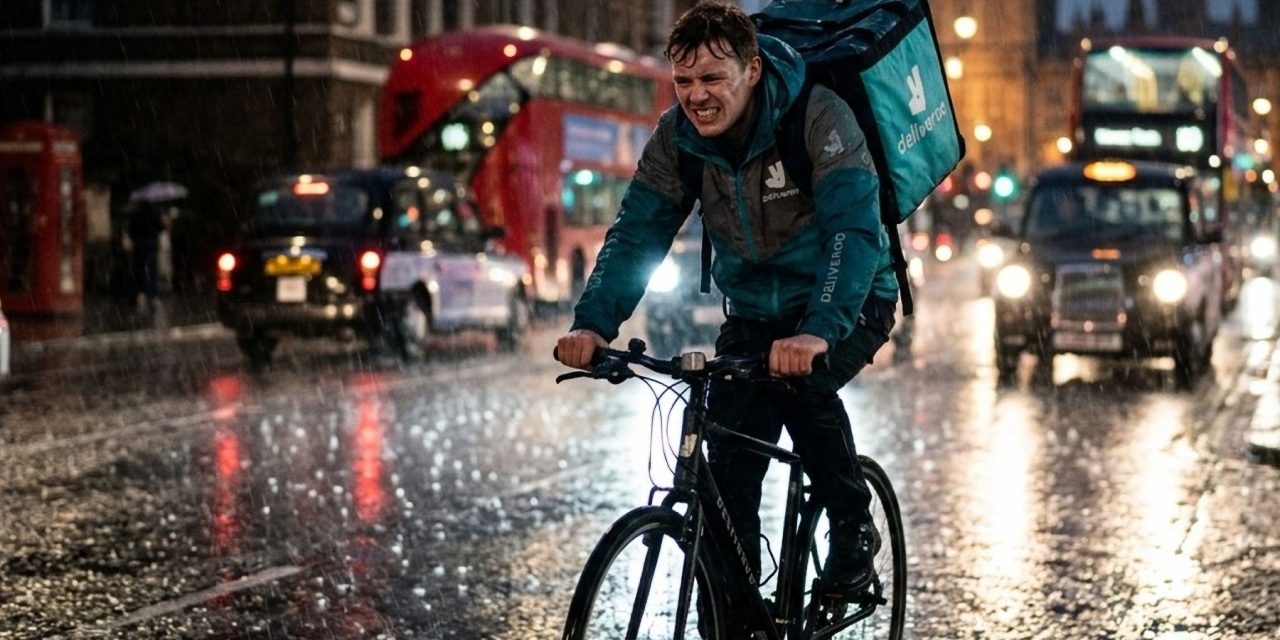
The romantic idea of the bumming your way around the world picking up random cash in hand work, has run headfirst into the reality of £8 London pints and £1,200 monthly room rents. Whether you’re saving for travel, funding ongoing adventures, or just trying to survive between trips, almost everyone needs a side hustle now.
Here’s what’s actually working in 2026, and what’s become harder than influencers suggest.
Remote Skilled Work
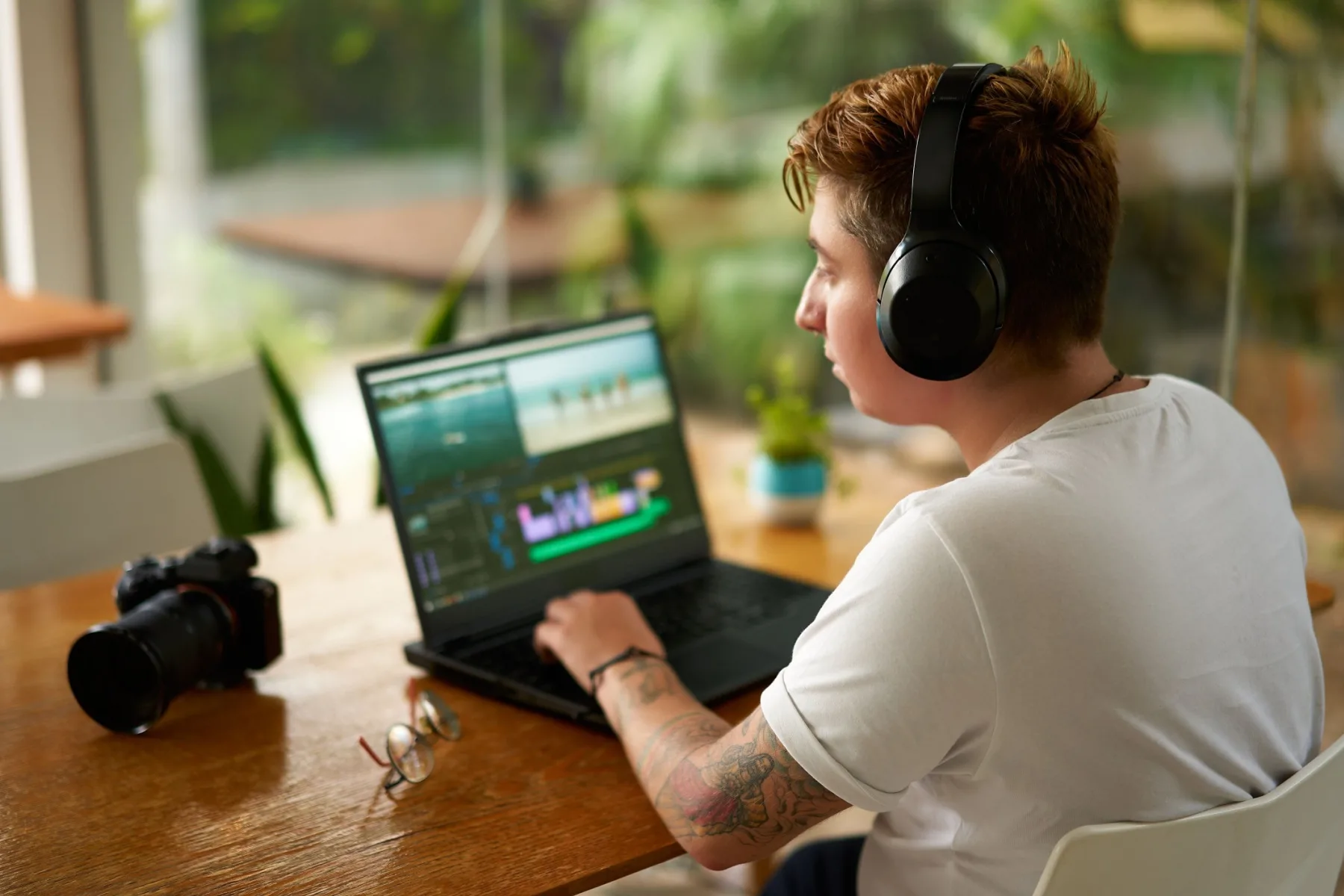
If you have genuine skills (writing, design, programming, marketing, video editing) then remote freelancing remains the gold standard. You can do it from anywhere with WiFi, scale your rates as you build reputation, and work with clients globally.
The reality check: The market is saturated. Upwork and Fiverr have a race-to-the-bottom pricing problem. Building a sustainable client base takes months, not weeks. Most successful remote freelancers started building their portfolio while employed, not from scratch in a hostel.
What actually works: Niche down aggressively. Don’t be a ‘writer’, be a ‘SaaS email sequence writer’. Network in specific industry communities. Cold pitch directly to companies rather than relying on platforms. Have a portfolio website, even a simple one.
Private Tutoring
London parents pay £30-60/hour for tutoring in exam subjects, languages, or music. If you’re strong in maths, sciences, or English, there’s consistent demand. Languages are always needed and native speakers of any language can teach it.
The reality check: Building a client base takes time. You need to be actually good at teaching, not just knowing the subject. Peak demand is term-time, especially around exams, and summer can be dead.
How to start: Tutorful, MyTutor, and Superprof are platforms that handle finding clients. Take lower rates initially to build reviews. Once established, go direct and keep 100% instead of platform fees.
Content Creation (Realistic Version)
Some travellers genuinely make money from travel content on YouTube, TikTok, Instagram, and blogs. But let’s be honest about the numbers: you need 100k+ YouTube subscribers to make meaningful ad revenue. Brand deals require genuine audience engagement, not just follower counts.
The reality check: For every person earning from travel content, thousands are creating into the void. It takes 2-3 years of consistent posting to build an audience. The ‘passive income’ myth ignores the active work of constant creation.
What might work: Niche content (budget travel in specific regions, travel with specific interests like birding or diving), UGC creation for travel brands where you’re making content for their channels, or building an audience while monetising through other means.
AI Diy
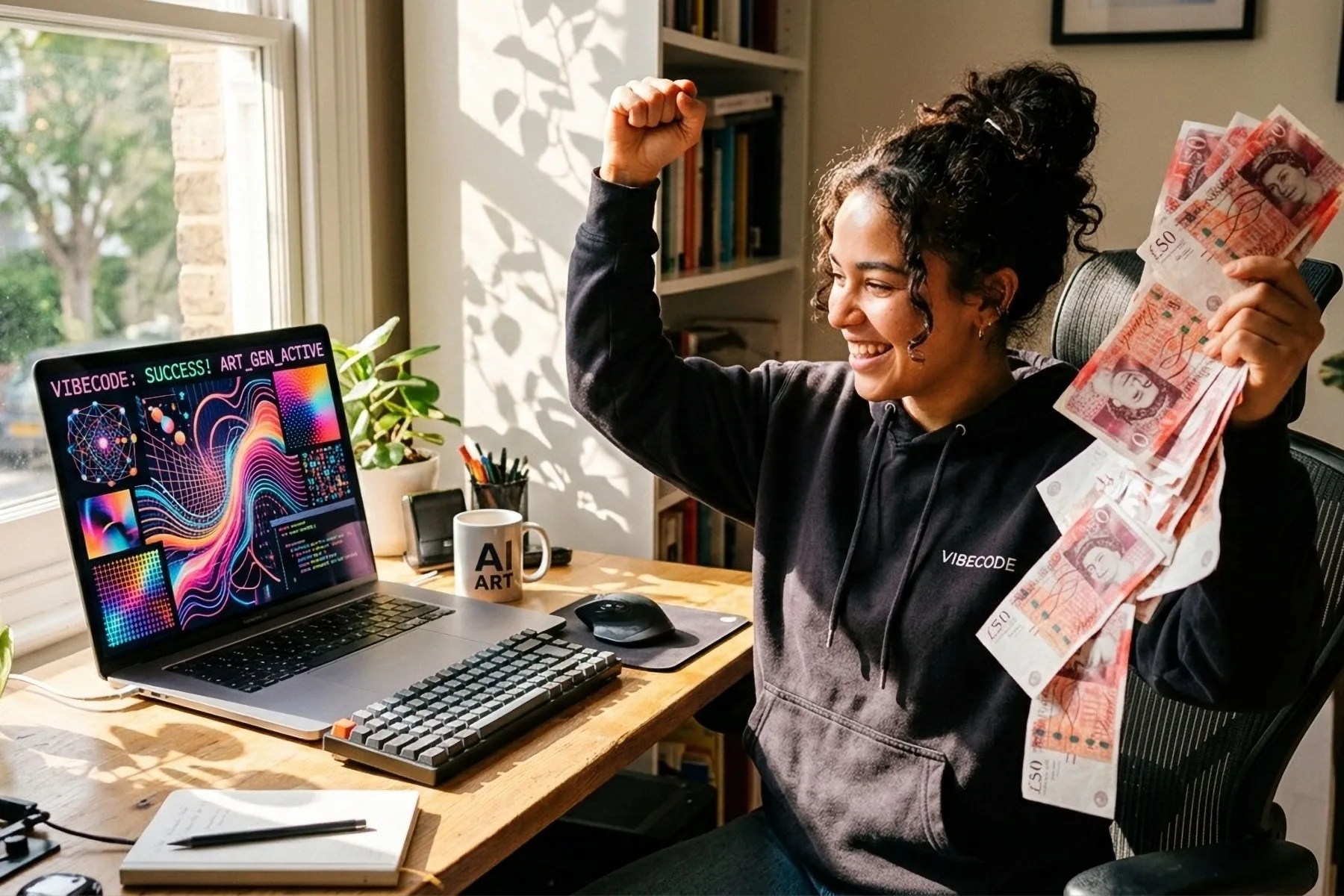
AI tools have genuinely lowered the barrier to building things that would have previously required a developer. The term floating around is “vibecoding”, which basically means describing what you want to an AI, letting it write the code, and then refining it through conversation until it works. No programming knowledge required. People are building functional apps, browser extensions, simple websites, and small tools this way.
The reality check: It works, but not the way Social Media suggests. You’re not going to describe a billion-pound idea over breakfast and have it running by lunch. What you can do is build something small that solves a specific problem. A niche calculator. A directory site for a particular industry. A browser extension that does one useful thing. A simple booking tool. These are the kinds of projects that can earn money through ads, subscriptions, or one-off sales, but they still need an idea worth building, patience to get it working properly, and actual effort to get it in front of people.
Genuine opportunities: The bigger, quieter opportunity is using AI to make existing work faster. In the case of freelance writing, AI can help you research and draft quicker, which means more output in less time. If you’re tutoring, it can generate lesson plans, practice questions and revision materials in minutes instead of hours. For content creation, it handles editing, transcription, scripting and repurposing across platforms. None of this is glamorous. All of it is practical. The people making real money from AI right now aren’t the ones posting about it. They’re the ones quietly getting twice as much done in the same number of hours.
What to avoid: Don’t buy a course on how to make money with AI. The course is how they’re making money with AI.
Online Teaching (English and Otherwise)
The TEFL industry has shifted significantly online. Platforms like Preply, iTalki, and Cambly let you teach from anywhere. Rates vary wildly, from £8/hour on lower platforms to £30+ if you build a private client base.
The reality check: The Chinese market (which was huge) has collapsed due to regulation changes. Competition has increased massively. You’re often working antisocial hours to match student time zones.
Making it work: Get TEFL certified if you’re serious. Specialise in exam prep or business English for higher rates. Build repeat clients who book directly. Teach languages other than English if you’re fluent, as there’s less competition.
Hospitality Shifts
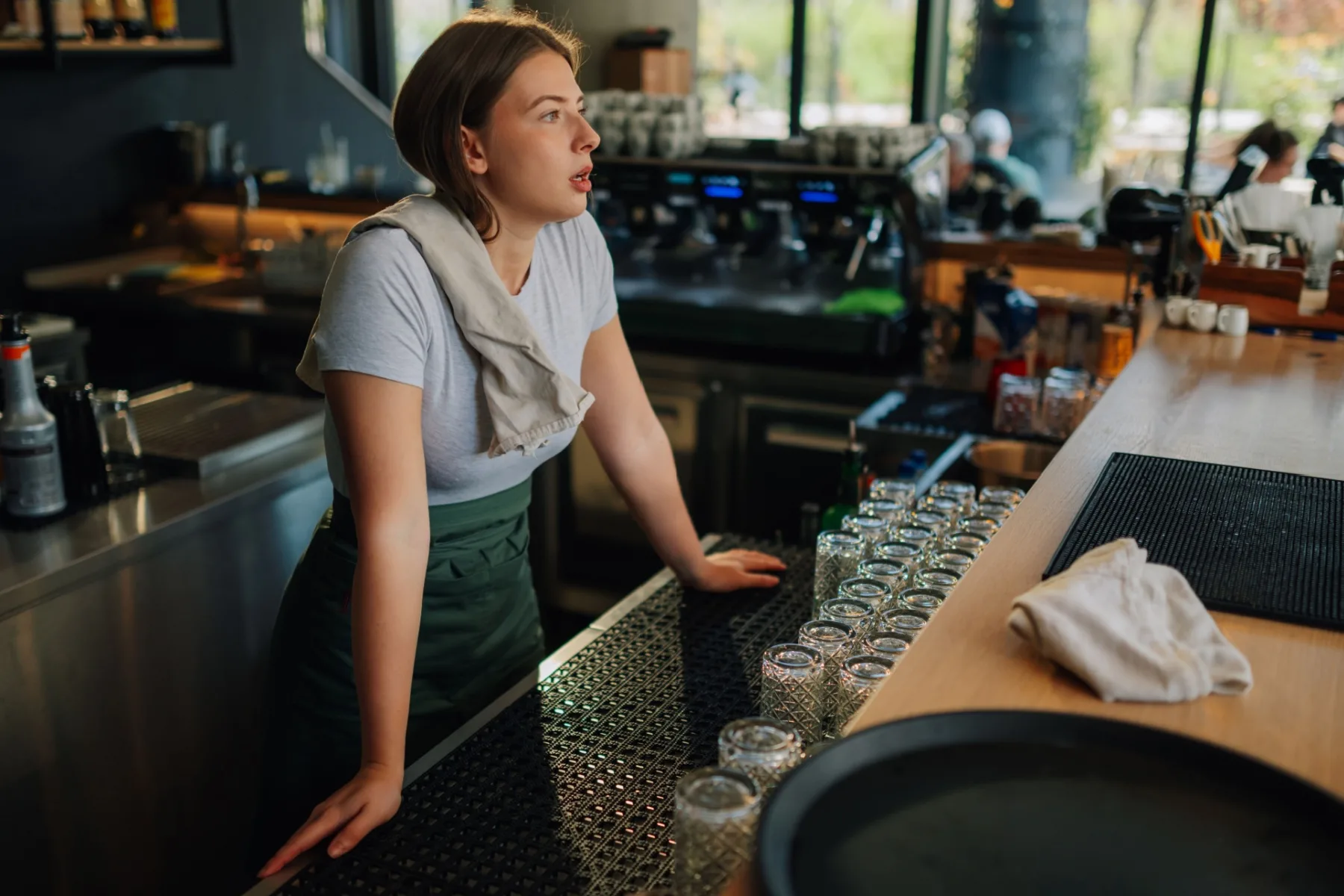
Restaurants, bars, and events are perpetually understaffed. Zero-hours contracts and agency work offer flexibility. Tips can be significant in the right venues. Experience isn’t always necessary as they’ll train you.
The reality: £11-15/hour typically. Antisocial hours. Physically demanding. But consistent, available, and doesn’t require building anything. You just show up and get paid.
Platforms: Stint, Indeed Flex, Coople, Caterer.com, or direct applications to venues you like.
TaskRabbit / Airtasker
Odd jobs like furniture assembly, moving help, queue standing, cleaning, handyman tasks. Set your own rates, choose your jobs, work when you want.
The reality: £15-30/hour for most tasks. Physically demanding. Inconsistent volume, with some weeks busy and some dead. You need tools and transport for many jobs.
Pet Sitting / Dog Walking

London dog owners pay well. £10-15 per walk, £30-50 per night for sitting. If you like animals and have flexible time, it’s pleasant work.
Platforms: Rover, Tailster, PetBacker, or build your own client list through neighbourhood apps.
Delivery Apps (Deliveroo, Uber Eats)
The poster child for gig economy flexibility. Download an app, start working. But the economics have changed:
- Pay rates have decreased significantly over the past few years
- You’re responsible for your own vehicle, insurance, and maintenance
- Peak hours are competitive and weather-dependent
- After expenses, many riders earn close to minimum wage
Verdict: Can work as truly flexible pocket money if you already cycle everywhere. Difficult to make proper money from it in 2026.
Reselling / Flipping

Buying things cheap (charity shops, Facebook Marketplace, clearances) and selling for profit on eBay, Vinted, or Depop. Sounds simple. Often isn’t.
The reality: Requires knowledge of what actually sells. Takes time to source, photograph, list, and ship. Storage is an issue if you don’t have space. Fees and shipping eat into margins. Works for some, but it’s more ‘small business’ than ‘side hustle’.
Dropshipping / Amazon FBA
YouTube and TikTok have convinced many people this is easy passive income. It’s not. Markets are saturated, margins are thin, and most people who try it lose money on inventory and advertising before making a penny.
Verdict: Ignore unless you have genuine e-commerce experience and capital to lose while learning.
The Real Deal
Most successful side hustlers aren’t doing one thing. They’re stacking multiple income streams. Tutoring three afternoons a week, hospitality shifts on weekends, occasional TaskRabbit jobs, building a freelance portfolio for the future.
The ‘work 4 hours a week from a beach’ narrative is largely fantasy. Real remote income comes from real skills that took time to develop. Real side hustle income usually involves showing up and trading time for money, just with more flexibility than a regular job.
That’s okay. Flexibility is valuable. Being able to take three weeks off for a trip and then work intensively to recover financially is the actual goal, not passive income from dropshipping.
Pick something you can start this week. Perfect it later. The best side hustle is the one you actually do, not the one procrastinate over.