Image credit: BalkansCat / Shutterstock.com
Belgrade doesn’t do quiet, and thank Christ for that. The city that’s been bombed three times in the last century and rebuilt each time with increasing attitude has a nightlife scene that makes Berlin look like it’s having an early night. Lonely Planet named “dance till dawn in Belgrade” one of its 25 best experiences for 2026, and for once, the hype is justified.
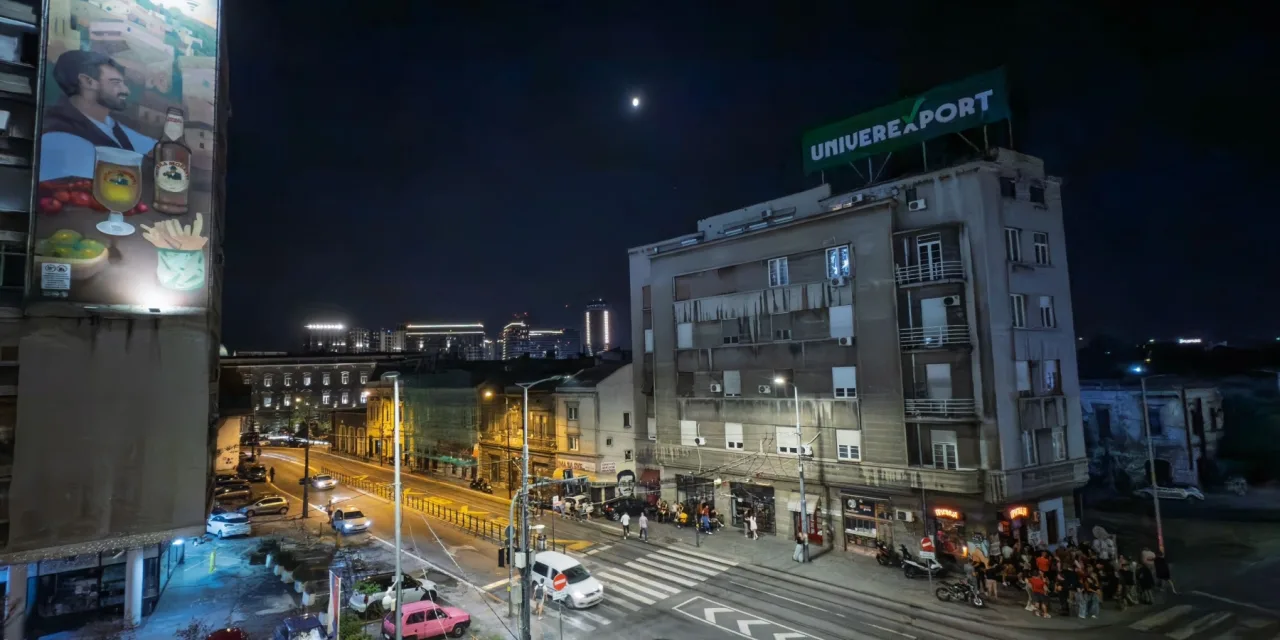
You’ll find no shortage of places to lose yourself in Savamala, the waterfront warehouse district strung along the Sava just south of the fortress. This former industrial area has had a creative makeover that’s given rise to some of the city’s most sought-after hangouts. The Mikser Festival, a design, arts, and music event operating in Savamala since 2012, was the catalyst for this district’s transformation from derelict to destination inside a decade.
Drugstore: where the underground comes to play
If there’s one venue that defines Belgrade’s underground credibility, it’s Drugstore. Located in the former industrial zone of Palilula, inside a repurposed slaughterhouse, the club transformed raw concrete architecture into a 600m² techno sanctuary with a capacity of up to 1,000 people. Often compared to Berghain in spirit (though fiercely independent in character), Drugstore has built its reputation through uncompromising programming across two stages: leading names from the global underground alongside strong local forces take turns wooing the crowd. Saturday nights don’t really kick off until after 1am. Don’t turn up before midnight unless you’re happy to watch bouncers look bored.

Image Credit: http://www.drugstorebeograd.com/
Karmakoma and Lift: a dual industrial pedigree
The newer option, Karmakoma, is born from the industrial legacy of Drugstore and occupies the redesigned garden space of the same building. With a lighter, more open-air energy, it’s perfect for those who want to get in on the techno action without committing fully to the marathon. The programming moves between local heroes and carefully selected international guests, spanning house, techno, disco, and deeper experimental frequencies.
For something with a different industrial pedigree, Lift is located in the former BIP beer factory complex on Cetinjska Street. It keeps its industrial backbone but adds a more accessible, social energy, with music driven primarily by strong local DJs delivering house, techno, disco, and groove-oriented sets. Drinks are affordable, the vibe is open, and the dancefloor is almost always active.
The food
Eat before you go out. Seriously. The street food infrastructure around Savamala will get you out of trouble if you didn’t plan ahead. Local eateries serving traditional Serbian fast food like ćevapi or pljeskavica keep prices affordable and the quality honest. Ćevapi are small spiced minced-meat sausages, served in flatbread with raw onion and ajvar. Pljeskavica is the Serbian take on a burger patty, richer and spiced. Both are better than anything you’ll find at a festival in the UK at twice the price. A street food meal like burek costs around 1.50 to 2.50 euros. That’s under £2.50 for flaky filo pastry stuffed with cheese or meat from the pekara (bakery) on the corner. Locally, burek is known to be a great hangover killer. File that under ‘use in case of emergency’.
The galleries
Walk north along Karađorđeva Street, the main artery of Savamala, where renovated warehouse fronts alternate with derelict buildings still awaiting investment, and the street art commissioned through various programmes gives the district its visual identity. The Kamendin area concentrates the most significant street murals, works by Serbian and international artists commissioned since 2012. This isn’t the sanitised mural-trail you get in Bristol. Some of it is genuinely strange and unsettling, which is a compliment. Savamala is a haven for artists and creatives, and the district includes cultural hotspots like Mikser House, a multi-functional space that hosts exhibitions, concerts, and workshops. KC Grad hosts concerts and cultural events throughout the year and has a beer garden that is one of the city’s more reliably good afternoon spots.
What to know before you go
Belgrade remains one of Europe’s best value nightlife destinations. You can expect to pay 300 to 500 RSD for beer in regular bars (around £2.50 to £4), 800 to 1,200 RSD for cocktails (under £9), and club entry from free to 1,000 RSD depending on venue and night. That works out at roughly £20 to £30 total for a full night out including transport and late-night food, making it one of the cheapest genuine nightlife experiences in Europe.
Key venues to check out
Drugstore: Belgrade’s premier brutalist/industrial venue. The beating heart of the city’s underground techno scene.
Klub 20/44: A legendary, intimate club on a boat moored on the Sava River. Famous for eclectic house and techno bookings and incredible sunrise views.
Karmakoma Club: Favoured by local electronic music enthusiasts for its deep techno, EBM, and dark ambient sets.
Barutana: An open-air, summer-season venue within the historic Kalemegdan Fortress walls. Regularly hosts major names in house and techno.