Tradespeople across the globe face a physically demanding career, but the UK presents its own set of challenges.
Longer shifts, remote sites and strict safety expectations all increase the pressure. And when you add cold weather and limited daylight into the mix, it’s possible to see why construction has the highest rate of fatal injuries out of all other sectors.
Workers are moving away from traditional, heavy equipment and upgrading to more advanced gear for better protection. Newer kit also brings comfort and specialised ergonomics, which leads to better all-day performance.
Starting from the bottom
Some of the most critical expectations surround footwear. Longer shifts and more mobile workflows inevitably lead to a higher step count for most workers onsite. Anyone who works on their feet knows how taxing this can be with the a poorly fitting pair of shoes.
Amid increasing safety awareness thanks to publicity raised by the Health and Safety Executive (HSE), workers and site managers are faster to notice the right or wrong gear. There’s now more pressure to stay productive proactively.
Comfort as a key safety issue
Poor footwear contributes to a whole host of potential issues on a construction site. Slips, trips and falls are possible in any environment, but the loose surfaces, hidden gaps and unexpected obstacles on a building site intensify the risk. Grippy soles reduce these preventable accidents.
And if shoes are the wrong size, they can contribute to other health issues. Fatigue is the most common, but pressure sores and long-term musculoskeletal issues can also appear.
What does modern footwear offer?
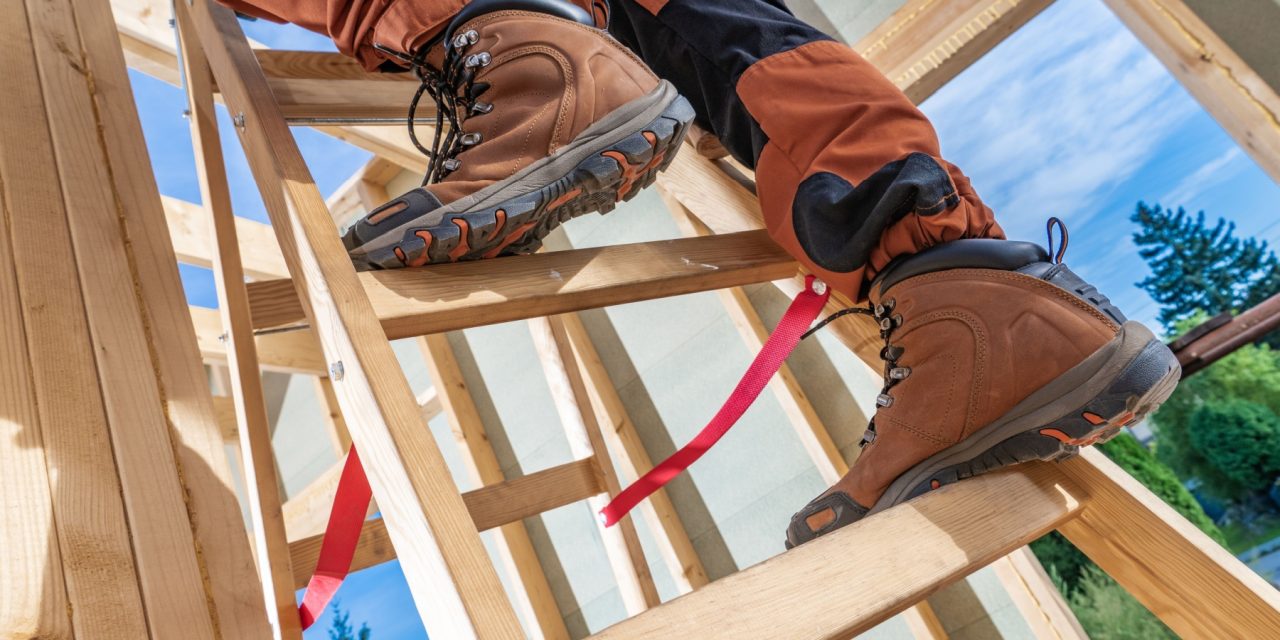
In most cases, the newer the footwear, the more advanced its technologies will be. Modern, advanced features in work shoes may include:
- Shock‑absorbing soles,
- Glass proof outer soles
- Lightweight, flexible inner materials
- Breathable uppers
- Reinforced toecaps, often with steel or composite
- Non‑slip outer soles
The best way to stay safe is to choose footwear that’s specifically designed for the task at hand. Wearing the correct construction safety footwear may also be a formal requirement on a site, so it’s worth choosing the highest quality brands.
Choosing the right footwear for performance
Footwear matters more than you might expect when it comes to productivity. Having comfortable feet means reduced downtime and better stability. Across workdays spanning more than 10 hours, quality boots improve comfort and offer tangible long‑term health benefits.
Many workers now prefer sporty designs, too. The shift towards athletic PPE reflects a greater need for work-life balance, as many of these wouldn’t look out of place away from the site. Athletic designs pair compliance with comfort and mobility.
The bottom line
Safety requirements are always changing, especially within this sector.
Workers are expected to adapt in good time, especially since upgrading can make the difference between getting injured on the job and protecting long-term health. Advanced yet comfortable PPE is the most effective way to guarantee both safety and productivity.