
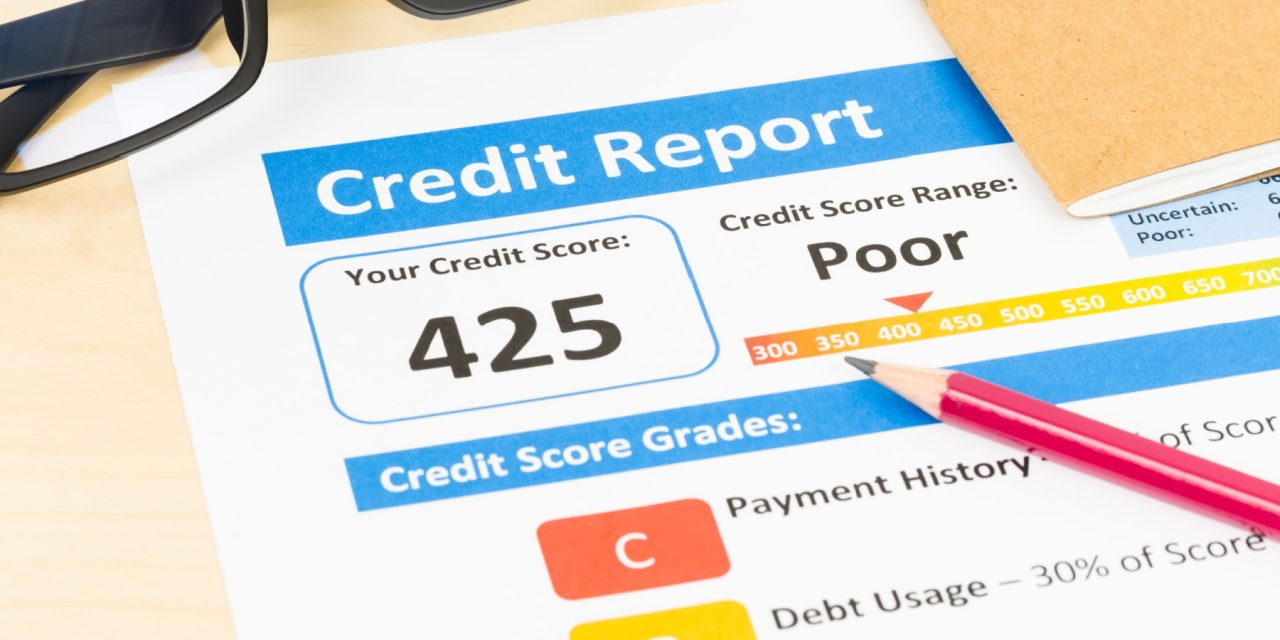
Your credit score isn’t just a number. It’s an ace card that gives you a financial advantage and determines your eligibility for loan approvals and monthly repayments. Higher credit scores unlock better opportunities, lower interest rates, faster loan approvals, and more financial freedom. Improving your credit score doesn’t have to be overwhelmingly complicated. It grows with small, consistent practices that anyone can adopt.
If you plan to buy a home, obtain a mortgage, or enhance your financial confidence, increasing your credit score is the first step to take. And during the process, if you seek trusted financial advice on strengthening your credit score, you can approach trusted financial partners like Energy One Federal Credit Union for personalized support and clear explanations. With their expert guidance, you can gain a deeper understanding of the credit system and make informed financial decisions.
Understanding What a Credit Score Is
A credit score is basically a three-digit number that suggests how responsible you are in managing your borrowed money. A high credit score signals to lenders your sincerity and punctuality in repaying debts on time. Think of it like a trust rating. The higher the score, the stronger your credit repayment history.
Most scores range between 300 and 850. If your credit score is above 700, you have a good financial standing. With a higher credit score, you can unlock new everyday opportunities and get loan approvals, credit cards, and even lower insurance rates for better financial control.
How Are Credit Scores Calculated?
Several factors come into play when calculating credit scores, with the most crucial being your payment history. Whether you pay your credit bills on time and how much of the available credit you are using are the two major factors that influence your score. Lenders critically assess your credit account, the types of credit you have obtained to date, and your recent credit requests. Based on the outcome, they evaluate your eligibility and reliability for a new credit. It’s essential to understand these factors so you can spend your credit responsibly, repay your debt on time, and witness a positive growth in your credit score.
How To Build, Maintain, and Strengthen Your Credit Score?
The road to building a high credit score comprises simple, consistent practices. Below are some proven ways to develop and maintain a strong credit score.
Make Complete Payments Every Month
The first step begins with making on-time payments of your loan installments, credit card bills, and utility expenses. One missed payment is enough to impact your score negatively. If you are accustomed to paying your bills on time, it’s great. But you can always add an extra layer of safety by automating the payment alerts. Timely alerts will keep you on track with your payments and save you from penalties.
Be Responsible With Your Credit Cards
Your credit score is built on your credit behavior. Spending beyond your means or keeping your credit balance close to the limit can have a negative influence on your score. So, try to reduce your credit spending and limit the usage to below 30%. For example, if your credit card limit is $500, avoid carrying a balance of over $150 from one month to the next. This signals that you are a responsible credit card holder and can manage your credit effectively.
Review Your Credit Reports
Remember to check your credit report regularly to monitor any incorrect credit limits, duplicate accounts, or misreported late payments. In case of any error or outdated credit information, be prompt to contact your credit-reporting agency. Disputing these issues at the earliest can help you recover your lost credit points.
Do Not Open Multiple Credit Accounts
Creditors want to assess your ability to manage debt. However, applying for multiple credit cards frequently triggers a hard inquiry, which can immediately affect your score. Instead, stick to one credit account and refrain from applying for new credit cards often. Also, avoid closing your old credit accounts. Keep it active even if you no longer use it. A longer credit history portrays a positive image to the lenders.
Closing Note
All in all, improving your credit score takes a clear plan and consistent debt management habits. Focus on making on-time payments, managing your credit balance wisely, and monitoring the reports on time. Also, understand that improving your credit score doesn’t happen overnight. Be patient with the process, and use these suggested practices to build stronger financial stability and welcome better opportunities.