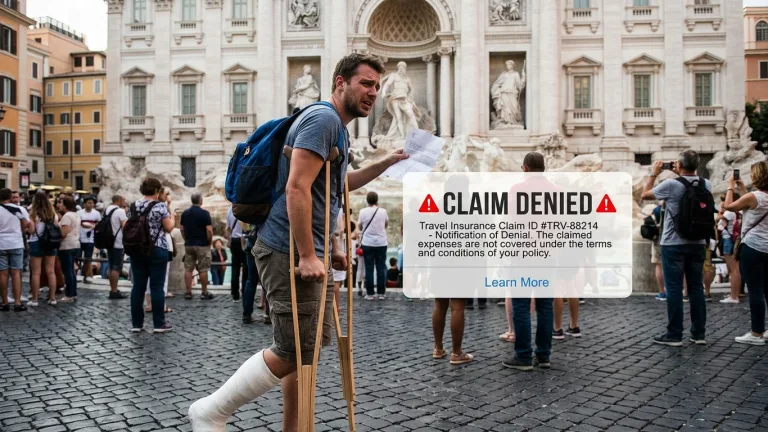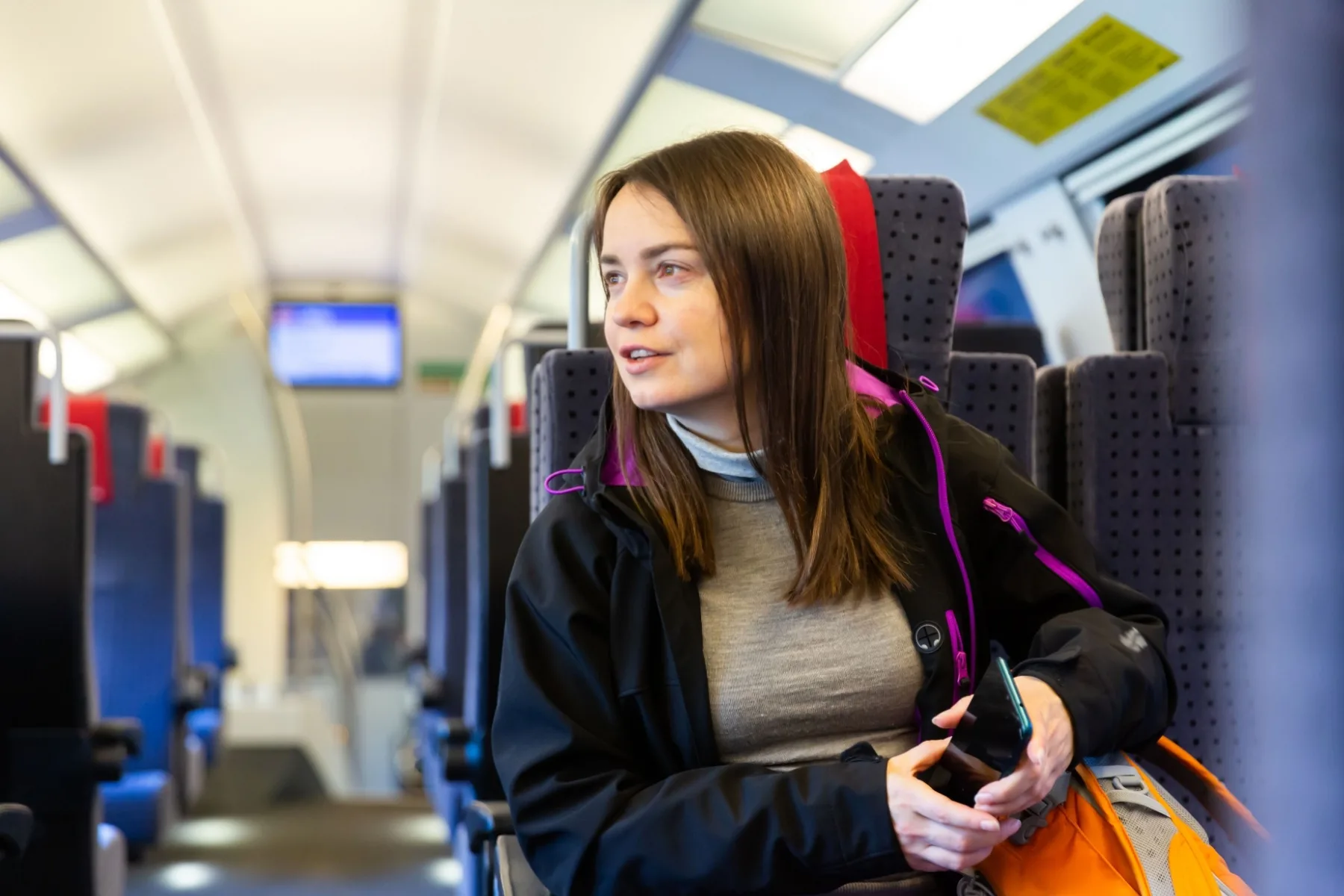
Buy a rail pass and Europe is yours. Buy a rail pass and assume you’re sorted, and you’ll be standing in a TGV vestibule somewhere outside Lyon wondering what went wrong. Seat reservations are not included in your Eurail pass. They are an additional supplement charged by some railway companies. The fees vary wildly by country and train type, the booking systems are deliberately awkward in places, and if you get it wrong on a train where reservation is compulsory, you can be turned away at the door. Here is what you actually need to know for 2026.
The three categories you need to understand
There are trains where reservation is optional, trains where you pay €3 to €7 and get a guaranteed seat but can ride without, and trains where reservation is compulsory and without one you cannot board. High-speed services, international routes, and night trains are where the compulsory rules cluster. Regional and national trains across most of Europe are the free-for-all territory where your pass is enough on its own.
On German ICE and Austrian Railjet trains, for example, you can just hop on, sit in any unreserved empty seat, and show your pass when asked. If you want a reserved seat on these trains it costs around €3 to €4.50, which is sensible on a long journey. That is the good end of the spectrum. France is the bad end.
France: budget for it or route around it
In France you must pay a passholder reservation fee for almost all long-distance trains. TGVs require compulsory reservation at either €10 or €20. There are a limited number of €10 passholder places on each TGV, and when these sell out the €20 fee applies. The passholder quota on each TGV is limited to around 50 seats, and in peak season these sell out weeks ahead. Book the moment reservations open, roughly four months out for domestic SNCF trains.
One more French trap: passes are not valid on low-cost Ouigo TGVs, as Ouigo is a separate company despite being an SNCF subsidiary. The machines at French stations that used to sell passholder reservations are no help either. The ability to make passholder reservations on SNCF ticket machines came back in 2024 but in 2026 has disappeared again. Book at a staffed counter or call SNCF telesales on 00 33 184943635.
Where booking direct saves you money
If you book reservations through the Eurail website, you pay an additional €2 booking fee per traveller per train. That stacks up across a two-week trip. Some operators sell passholder reservations on their own websites with no booking fee, a wider choice of seating options, and seat-map selection. DB (German Railways) at int.bahn.de handles German domestic trains and international routes between Germany and Amsterdam, Brussels, Prague, Warsaw, Copenhagen, and Switzerland, with seat-map choice on IC and ICE trains. Use it. For Nightjet trains, Interrail and Eurail passholder reservations can be made at the ÖBB website.
Boarding at a train’s starting point increases your chances of securing a seat on trains where reservations are optional. On a busy summer ICE from Frankfurt, sitting at Munich for departure beats scrambling on at Mannheim.
The expensive routes and some alternatives
The priciest passholder fees are on international trains with limited quotas. The Brussels to Cologne and Düsseldorf Eurostar (formerly Thalys) charges passholders €27 in 2nd class and €32 in 1st class. You can avoid that entirely by taking the ICE trains between Brussels and Cologne instead. Same destination, no surcharge, no drama. The TGV Lyria Paris to Switzerland charges €25 in 2nd class and €35 in 1st class.
On night trains, prices are now dynamic. Nightjet passholder reservation fees vary like air fares according to demand, and the same price applies whether your pass is 1st or 2nd class. A seat costs €5.50 to €19.90. A couchette in a 6-berth compartment runs €19.90 to €54.90. A 4-berth couchette is €24.90 to €64.90. A bed in a 3-bed sleeper goes from €64.90 to €124.90. Book early and you pay the floor price. Book in August for a weekend Nightjet and you may find the passholder rate is no cheaper than a regular non-flex ticket, so check both.
The no-reservation filter you should be using
Most slower national and regional trains do not require seat reservations, so if you are willing to take a less direct route you can often avoid the extra cost entirely. The Eurail Rail Planner app has a no-seat-reservations filter that surfaces these routes. In Denmark, for example, there is no reservation requirement on any normal domestic train including InterCity services. Just hop on and show your pass. Poland, Hungary, Slovakia, and Romania require reservations on inter-city trains but these are standard seat reservations costing €2 to €3, not the punishing supplements France charges.
The system is not designed to be easy. A couple of routes, notably anything involving Eurostar to London and the Paris to Barcelona TGV, have such tight passholder quotas that trains can be sold out for passholders while seats remain available for full-fare passengers. On those specific routes, check early and have a backup plan. On everything else, the pass works well as long as you know which trains let you walk on and which ones will charge you before they let you through the door.