
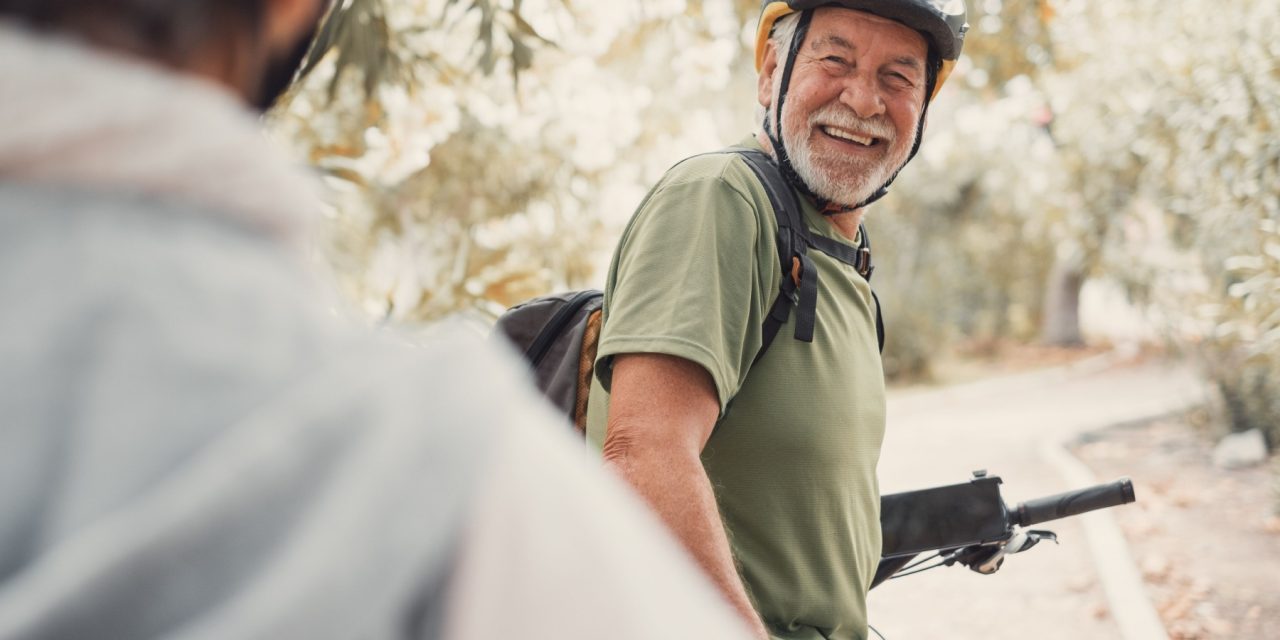
There’s a strange assumption that floats around when people talk about senior safety—that older adults are sitting at home all day, maybe watching TV or reading in their favorite chair. But that’s not reality for millions of seniors who are still out there living full lives. They’re meeting friends for coffee, tending to their gardens, walking around the neighborhood, running errands, and heading to appointments. The question that keeps coming up is how to stay protected during all that activity without giving up independence or feeling like there’s a babysitter watching every move.
Home-based safety systems work great when someone’s actually home. But here’s the thing: they stop working the second someone walks out the front door. And that’s where things get complicated, because a lot can happen during a regular day out in the world.
The Problem With Being Active
Most falls don’t happen in bathrooms or bedrooms like people expect. They happen on sidewalks with uneven pavement, in parking lots, on front steps, or in gardens where someone’s bending down to pull weeds. These aren’t reckless activities—they’re normal parts of daily life. But they come with risks that home-only safety systems can’t address.
The physical reality is that balance changes with age, reaction times slow down, and medications can cause dizziness. None of that stops mattering just because someone stepped outside to check the mail or walk to a neighbor’s house. If anything, outdoor environments create more variables—weather conditions, unfamiliar surfaces, and the simple fact that help isn’t in the next room.
What makes this trickier is that staying active is exactly what doctors recommend. Regular movement, social connections, and getting outside all contribute to better health outcomes for older adults. Telling someone to stay home “just in case” actually creates different health problems down the road. So there’s this tension between doing what’s healthy and doing what feels safe.
When Home Systems Fall Short
A traditional medical alert system with a base station works through a home phone line or internet connection. Press the button, and it connects to a monitoring center that can send help. Simple enough when someone’s within range of that base station—usually about 1,000 feet, which covers most homes and maybe part of the yard.
But that range ends somewhere. Walk to the end of a long driveway to get the mail, and the connection might cut out. Head to a neighbor’s house two doors down, and the system definitely won’t work. Take a drive to the grocery store or a doctor’s appointment, and there’s zero coverage. For seniors who spend a good chunk of their day outside that limited range, the protection becomes partial at best.
The awareness of this gap creates its own stress. Some seniors start limiting their activities because they know their safety system won’t work if something goes wrong. Others just accept the risk and hope nothing happens during the hours they’re unprotected. Neither option feels great, and both run counter to the whole point of having a safety system in the first place.
Coverage That Moves Around
This is where mobile systems change the equation. A mobile medical alert for seniors uses cellular technology and GPS tracking, which means it works anywhere there’s cell service—not just within range of a home base station. Someone wearing one of these devices has the same emergency access whether they’re in their living room, working in the backyard, walking through a park, or sitting in a waiting room across town.
The mechanics are pretty straightforward. Press the help button, and the device connects to a monitoring center through cellular networks. The GPS component tells responders exactly where the person is located, which matters a lot when someone’s not calling from a fixed home address. If someone falls during their morning walk three blocks from home, help shows up at the right location instead of at an empty house.
This kind of coverage makes more sense for seniors who haven’t stopped living their lives. The person who still drives to church, visits friends, attends exercise classes, or maintains an active social calendar isn’t well-served by a system that only protects them at home. Mobile protection matches their actual daily patterns instead of requiring them to change their routines to fit the limitations of the technology.
The Real-World Scenarios
Consider what happens during typical activities. Someone’s out watering plants in the front yard when they trip over a garden hose and fall hard on the concrete driveway. Or they’re walking back from a mailbox and get dizzy, losing their balance on the curb. Maybe they’re at a grocery store and suddenly feel chest pain or extreme shortness of breath. These aren’t rare edge cases—they’re everyday situations that happen to active seniors regularly.
With a mobile system, emergency response works the same in all these scenarios. Without one, the options get limited quickly. Hope someone nearby notices and helps. Try to get back inside to reach a phone or home alert system. Wait and see if the situation resolves on its own. None of those are good options when someone needs help right away.
The psychological benefit matters too. Knowing that protection travels along removes a layer of anxiety that can otherwise limit activities. Seniors who might have started skipping their daily walks or avoiding errands because they worried about being unprotected can maintain those healthy habits with less fear. Family members relax a bit knowing their parent or grandparent has coverage during all the hours they’re not together.
Making the Choice
Not every senior needs mobile coverage. Someone who rarely leaves home, has limited mobility, or lives in a care facility where staff are always present might do fine with a traditional system. But for the growing number of older adults who are still out there doing things, going places, and maintaining independent lives, a mobile option makes more practical sense.
The cost difference exists but it’s not massive—usually somewhere between ten and twenty dollars more per month compared to home-only systems. Whether that’s worth it comes down to how much time someone spends outside their home and how important that activity is to their quality of life. For most active seniors, the answer is pretty clear.
Safety shouldn’t require giving up the activities that make life worthwhile. The right technology makes it possible to have both—protection that works during all the living that happens outside four walls, and the confidence to keep doing the things that matter. That’s not asking too much. It’s just asking for safety systems that match the way people actually live.