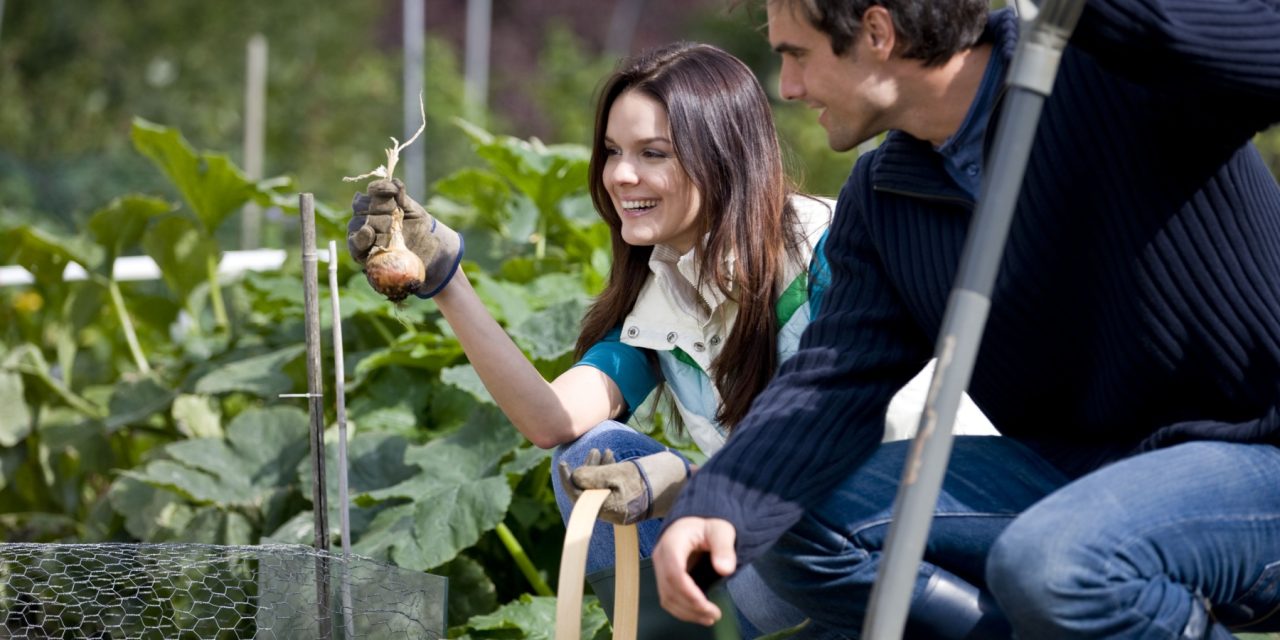
The UK’s love affair with allotments stretches back more than a century. You might have noticed more people digging into the soil, not just for a hobby, but to produce their own food and escape the pressures of urban life.
Whether you’ve already considered it or are just starting to think about growing your own vegetables, the increasing popularity of allotments says something important about the way we live today.
Rising demand and shrinking space
Allotments are small parcels of land, often situated on the outskirts of urban areas, that can provide a vital green escape. Yet, these spaces are becoming harder to find as demand rises.
Many areas now have long waiting lists, reflecting the increasing desire to grow one’s own food, garden, or simply relax in a quiet, green environment.
To secure one, you’ll need to act quickly. Contact your local council or allotment association early, as some regions have waiting lists that stretch into the months, if not years.
Adapting to climate and lifestyle change
Today’s allotments are adapting to new challenges, with polytunnel covers becoming increasingly popular. These structures help to extend the growing season, enabling gardeners to cultivate a wider variety of crops.
A polytunnel provides a simple way to protect your plants from harsh weather, especially with the UK’s unpredictable climate.
In an era of changing weather patterns, gardeners are also embracing raised beds, composting systems, and water-saving techniques to make their allotments more sustainable.
Cost of living pressures and food security
With rising food prices and increasing concerns about food security, allotments are becoming a practical way to ease financial pressures.
Growing your own vegetables can save you money and give you more control over your food sources. The cost of supermarket produce is rising, but on an allotment, you can harvest fresh, seasonal crops for a fraction of the cost.
Even in small spaces, you can grow enough to make a significant difference to your weekly shopping bill. You can start with simple crops like potatoes, tomatoes, and leafy greens, which are easy to grow and produce reliable yields.
Health, wellbeing and social prescribing
Gardening has long been known to have positive effects on mental health, offering a calming retreat from the stresses of daily life.
Allotments can be a valuable part of social prescribing, a scheme where doctors recommend gardening or outdoor activities to improve mental health.
Spending time in nature can reduce anxiety, depression, and stress. The act of planting and harvesting crops also promotes physical activity, keeping you fit without needing a gym membership.
If you’re struggling with stress or feeling disconnected, an allotment might be the perfect solution to restore balance to your life.