
We often take our home wiring systems for granted. After all, most of the time they deliver power reliably whenever we flip a switch or plug in an appliance. However, if your house is more than a few decades old, there’s a good chance it still has some or all of its original wiring, which can pose a significant safety risk. Let’s take a look at why outdated wiring is more dangerous than you might think – and how you can fix it.
Hazards Linked to Outdated Wiring
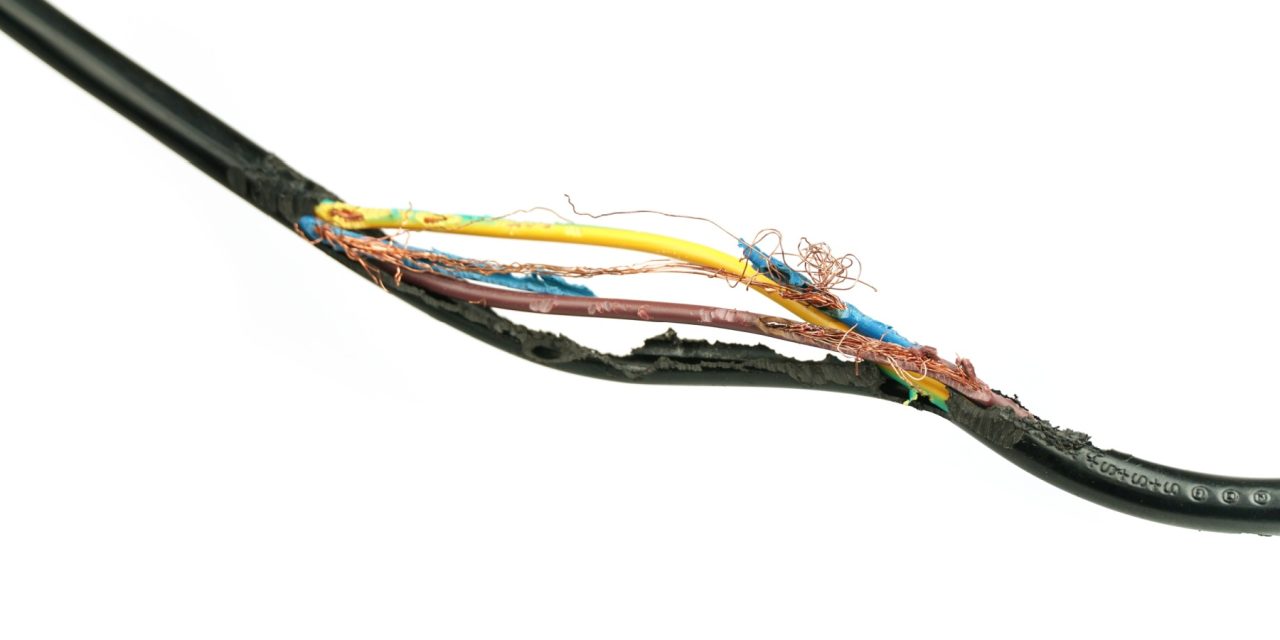
The dangers from outdated wiring are twofold. Firstly, old wiring systems were designed to support far less electrical usage than most modern households generate. Early systems were often rated for 60 amps, whereas new builds need a minimum of 100-200 amps of supply. Secondly, outdated wiring materials can degrade over time, presenting a hazard. The rubber sheaths used to insulate copper wiring in old houses are likely to decay over decades, exposing dangerous live wires.
Circuit breakers or fuses that were meant to prevent overloads are also likely to fail due to age. What’s more, older wiring systems aren’t always standardised, meaning that you might see a lot of different configurations depending on where you are in the country. This is why it’s always a good idea to call in a local when dealing with old wiring – for example, a Birmingham electrician will know how to deal with older wiring configurations within Birmingham, whereas an electrician from London would be confused by what they find in Birmingham homes.
Replacing Outdated Wiring
If you notice regular circuit breaker tripping, flickering lights, or an unexplained burning smell, it may be a sign of a perilous electrical fault caused by aged or deteriorated wiring. Never ignore something like this – and always call in a professional to deal with it. Unfortunately, the only secure and lasting solution to the problem of outdated wiring is to completely replace your old system. While this may seem expensive and disruptive, it’s always better to err on the side of caution when it comes to electricity.
Determine if a Rewiring is Necessary
How will you know whether you need to completely rewire your house or just replace a particular outdated circuit? Well, the first step is to have your home inspected by a licensed electrician. An expert will conduct a thorough assessment of your wiring system, determining its age, condition, and capacity to handle your electrical needs.
Once your home has been evaluated, work closely with your electrician to draft a rewiring plan. They will provide advice on the most optimal ways to route new wires, install new circuit breakers, and modernise your switches and outlets.
Rewiring a house is not something many homeowners can tackle on their own. Instead, an experienced electrician is necessary to ensure that everything is installed correctly and safely, and that no electrics are at risk from issues like leaks and heating systems (which can melt through cable insulation if routed too close together).
Regular Electrical Check-ups
Even after an old system has been replaced, it’s vital to get regular check-ups to ensure that everything remains in top condition. Wires can come loose, circuit breakers can be overloaded, and changes in usage can affect your system’s performance.
Consider Smart Technologies
Replacing outdated wiring is also an excellent opportunity to future-proof your home by incorporating smart technologies. If you’re already rewiring your home, it’s an opportune time to install items like smart switches and outlets. These technology integrations can improve energy efficiency and provide added convenience.
Wrap-up
There’s no denying the serious safety risks posed by outdated wiring. If you have an older home, it’s crucial to engage a qualified electrician to inspect your system and to replace it if necessary. While the cost and disruption may seem hard at first, remember that you’ll gain peace of mind as well as a safe and reliable electrical system. Your home, most importantly, the lives within it, are worth that investment.